Categories
Tech Uncategorized

How to Reduce Input Lag When Using an Older iPad as a Second Windows Monitor via Wi-Fi

How to Reduce Input Lag When Using an Older iPad as a Second Windows Monitor via Wi-Fi

When it comes to multitasking, creative work, or expanding your workspace, using an earlier iPad as a secondary display for a Windows PC with Wi-Fi connectivity might be a cost-effective alternative. On the other hand, one of the most prevalent difficulties is input lag, which may make the experience seem slow or unresponsive. When the data that is being transferred from your personal computer to the iPad encounters delays, this is known as input lag. This causes a perceptible delay between the actions that you do on the main display and the output that is being reflected. iPads that are older and have CPUs that are slower or Wi-Fi gear that is of an older generation are more sensitive to these delays. The optimization of the network, the setup of the software, and the consideration of the hardware are all necessary components in order to reduce input lag. It is possible to considerably increase usability and make the iPad behave more like a genuine secondary display by first gaining an understanding of the aspects that lead to latency and then implementing specific remedies to those issues.

Improvements to the Performance of Wi-Fi Networks
There is a clear correlation between the quality of your Wi-Fi network and the delay that occurs when you use an iPad as a secondary display screen. Due to the fact that older devices sometimes depend on slower Wi-Fi standards, it is vital to make sure that both the personal computer and the iPad are connected to a network that is both high-speed and low-interference. The use of the 5GHz frequency as opposed to the 2.4GHz band has the potential to boost data transmission speeds and alleviate congestion. In order to maintain a solid connection, it is helpful to position the router so that it is relatively near to both devices and to minimize obstructions such as walls and electromagnetic interference. During screen mirroring or prolonged display usage, bandwidth constraints are a typical cause of latency. Therefore, reducing the number of devices connected to the network may help avoid bandwidth bottlenecks.

Making the Right Choice When Choosing Screen Sharing Software
The input latency of an iPad is significantly impacted by the software or application that is used in order to transform it into a secondary display. While some applications are designed to have a reduced latency and quicker transmission, others put an emphasis on the visual quality rather than the responsiveness of content. It is possible to greatly cut down on delays by selecting a system that supports adaptive compression, efficient encoding, and hardware acceleration. It is also possible to eliminate needless scaling or processing cost, both of which may add to latency, by customizing the program to match the resolution and refresh rate of the iPad. Users are able to establish a balance between visual quality and performance by experimenting with a variety of programs and modifying the settings parameters of those applications.

lowering the display resolution and decreasing the color depth
For older iPads, it may be difficult to keep up with screens with a high resolution or with color settings that are sophisticated. It is possible to reduce the quantity of data communicated by lowering the resolution of the secondary display. This will lessen the amount of delay and make the stress on both devices easier. Additionally, reducing the size of each frame that is sent over Wi-Fi may be accomplished by lowering the color depth settings to 16-bit or 24-bit rather than 32-bit format. These changes have the potential to create a discernible impact in responsiveness, particularly when paired with a robust network connection and software that is effective for screen sharing. Although there is a possibility that the picture quality may be significantly diminished, the trade-off often results in a second screen that is smoother and more useful.

Reducing the amount of activity on the network and background processes
Other programs or processes running in the background that use resources from the system or the network might also have an impact on input latency. You may free up bandwidth and decrease delays in the transmission of display data by closing applications that are not essential, especially those that make extensive use of the internet. Utilizing the iPad in a manner that restricts multitasking and closes applications that are running in the background guarantees that more processing power is allocated to the management of the extended display signal. It is possible to increase speed by doing even the most basic of activities, such as temporarily deactivating automatic updates or syncing procedures. This will result in a decrease in latency and a more fluid interface between the iPad and the personal computer.

Modifying the Frame Rate and Refresh Settings at the Camera
In order to minimize lag, it is essential to ensure that the frame rate of the secondary display is in sync with the capabilities of the iPad. The configuration of the screen sharing software to a lower, more consistent frame rate may help eliminate stuttering and delayed input on older devices, which often are unable to manage high refresh rates in a seamless manner. It is more vital to strive for a stable and attainable frame rate than it is to try to push maximum settings, since variable frame rates significantly increase the amount of input lag. Some apps provide users the opportunity to restrict the refresh rate of the secondary screen so that it is in line with the hardware of the iPad. This improves the responsiveness as well as the stability of the device.

An Optimization of the Positioning and Connections of Hardware
A device’s physical positioning might have an indirect impact on the amount of input latency. It is possible to lessen signal loss and delay by positioning the iPad in close proximity to the Wi-Fi source. It is possible to boost performance by either using a high-gain antenna or ensuring that the wireless adapter on the personal computer has a direct line of sight to the router. In some circumstances, it is possible to completely prevent Wi-Fi interference by using a USB-to-Wi-Fi adaptor on the personal computer or even by contemplating a temporary wired solution that utilizes a USB or Lightning cord. Despite the fact that the latter choice may not be wireless, it offers the lowest potential latency, which makes it helpful for activities that demand exact real-time input.

The use of Performance Mode and the reduction of visual effects
Performance-oriented options are available in a variety of screen-sharing programs, as well as in Windows itself, and they may assist decrease latency. By activating “performance mode” or other similar settings, you may emphasize speed above visual quality, therefore reducing the amount of time spent compressing and processing the image. It is also possible to reduce the amount of processing that is required by turning off unneeded visual effects, animations, or transparency features on both the main display of the personal computer and the iPad. This will free up resources that can be used to transmit and render the display more rapidly. When paired with network and resolution optimizations, these tweaks produce the greatest visible gain in responsiveness compared to other improvements.

The most effective methods for reducing input lag are as follows:
One of the most efficient tactics for older iPads that are operating as secondary displays is a mix of network optimization, software selection, and changes that are aware of the hardware. Adjusting frame rates, decreasing resolution and color depth, choosing optimum screen sharing software, and prioritizing a robust Wi-Fi connection operating at 5GHz are all factors that contribute to a more fluid experience. Disabling visual effects and minimizing background activities are two other ways to minimize latency. The use of these strategies may make the use of an earlier iPad as a secondary display far more feasible for productivity, creative work, and casual multitasking. This is despite the fact that some latency may always be there owing to limitations in the technology underlying the iPad.

Categories
Tech Uncategorized

Does Lowering Wireless Mouse Polling Rate from 1000Hz to 500Hz Meaningfully Extend Battery Life?

Does Lowering Wireless Mouse Polling Rate from 1000Hz to 500Hz Meaningfully Extend Battery Life?

Productivity peripherals and wireless gaming mice often advertise high polling rates, such as 1000Hz, with the promise of providing ultra-responsive tracking and low input lag. In spite of the fact that this function is advantageous for competitive situations, it also raises concerns over the amount of power that is used, particularly for users who depend on devices that are powered by batteries. The polling rate is what controls how often the mouse communicates its location to the computer. Higher polling rates need more frequent communication between the device and the receiver. Reducing the polling rate from 1000Hz to 500Hz is a popular change that customers make in order to increase the battery life of their devices without affecting usefulness. However, the influence that this transformation will have in the actual world is contingent upon a number of things, such as the effectiveness of the sensors, the wireless technology, and the patterns of use. It is possible for consumers to determine whether or not this trade-off is justified by gaining an understanding of how the polling rate impacts both power consumption and performance.

To Put It Into Practice, What Does the Polling Rate Mean?
The term “polling rate” refers to the number of times per second that a mouse transmits data to the computer, using the Hertz unit of measurement. A polling rate of 1000Hz indicates that the mouse reports its location 1000 times per second, while a polling rate of 500Hz reduces the frequency of the mouse’s position reporting by half. This has an immediate impact on the frequency at which the wireless transmitter and sensor are operational. Higher polling rates lead to more frequent updates, which may enhance the smoothness of the cursor and lessen the amount of lag that occurs during input. However, this also increases the amount of work that is required of the mouse’s internal components, such as the sensor and the wireless module. A drop in the polling rate will result in a reduction in the frequency of these activities, which will, in turn, lead to a reduction in power consumption. However, the extent of this reduction will vary depending on the device.

What Effect Does the Polling Rate Have on the Consumption of Power?
As a result of the mouse transmitting data less often, lowering the polling rate from 1000Hz to 500Hz may result in a reduction in the amount of power consumed. Each transfer uses a negligible amount of energy, thus reducing the number of transmissions by half may result in a significant reduction in energy consumption over the course of time. On the other hand, the percentage of people who vote is merely one component of the total power equation. Wireless mouse of today are constructed with components that are very efficient, and the amount of energy that is used during each transmission is rather low in comparison to other elements such as the activity of the sensors and the RGB lighting. Although reducing the polling rate does result in a reduction in power consumption, the overall effect on battery life is often not spectacular but rather quite minor.

Real-World Enhancements to the Battery’s Life Life
From a practical standpoint, going from 1000Hz to 500Hz may prolong the life of the battery by a somewhat detectable but not significantly significant margin. It is possible, for instance, that users may see an increase that ranges from a few days to several hours, depending on the exact mouse model and the patterns of use. When it comes to devices that are used often and for extended amounts of time on a daily basis, such as those used in gaming or professional workflows, the improvement is more noticeable. However, the change may not be as evident to people who only use it sometimes. The size of the battery, the efficiency of the sensor, and the wireless technology all have a bigger influence in determining the overall lifetime of the device. This means that tweaks to the polling rate alone are not likely to quadruple the battery life or create significant increases.

Repercussions for both Performance and Responsiveness
Even though the difference between 1000Hz and 500Hz is very minimal for the majority of users, lowering the polling rate does have an effect on performance. When the mouse is operating at 1000Hz, it updates every one millisecond, and when it is operating at 500Hz, it updates every two milliseconds. In most cases, this modest increase in latency is hardly noticeable while doing routine activities such as surfing the web or working in an office setting. Even in the realm of gaming, it is possible that many users may not perceive a substantial change unless they are participating in highly competitive situations that require the highest possible level of accuracy. The performance trade-off is small for the majority of users, which makes 500Hz a feasible alternative for striking a balance between responsiveness and energy economy.

The Importance of Firmware Optimization and the Efficiency of Sensors
Modern wireless mouse make use of sophisticated sensors and firmware improvements in order to reduce the amount of power they consume. The mouse is able to dynamically modify its behavior depending on the amount of movement and activity it is experiencing thanks to these technologies. For example, while the mouse is not being used, the sensor may enter a low-power mode, which would reduce the amount of energy that is being used regardless of the polling rate. Additionally, firmware improvements assist in the management of wireless communication in a more effective manner, ensuring that use of energy occurs only when it is required. As a result of these developments, the effect of lowering the polling rate is less noticeable than it would have been in prior devices, which had less sophisticated power management strategies.

Aspects of Additional Features That Have an Impact on Battery Drain
It is common for other characteristics to have a bigger influence on the battery life than the polling rate. There are a number of factors that may greatly contribute to power consumption, including RGB illumination, high DPI settings, and constant sensor activity. It is possible, for instance, that deactivating lighting effects or decreasing brightness may result in more significant power savings than reducing the polling rate. In a similar vein, variations in use patterns, such as constant movement as opposed to intermittent use, have a significant effect in determining the rate at which the battery depletes. It is essential to take into consideration these aspects in addition to adjusting the polling rate when it comes to determining how to lengthen the life of a battery.

Situations in which a lower polling rate might make sense to use
A reduction in the polling rate to 500Hz is especially advantageous for users who place a higher priority on the longevity of their batteries than on achieving maximum performance. Those who fall into this category include those who work in offices, informal users, and people who travel often and may not have easy access to charging stations. Given these circumstances, it is very improbable that the modest decrease in responsiveness would have an impact on productivity, although the increased battery life may provide an improvement in convenience. Nevertheless, in order to guarantee the lowest possible input latency, it is feasible that keeping a polling rate of 1000Hz is still ideal for competitive players. In the end, the decision is determined by the manner in which the mouse is used and the priorities of the user.

Does the Gain in Battery Capacity Justify the Trade-Off?
It is true that reducing the polling rate from 1000Hz to 500Hz may significantly lengthen the life of the battery, although the improvement is often mild rather than revolutionary. It is true that there has been a decrease in power consumption; nevertheless, this is only one of the numerous factors that impact the functioning of the battery. It is desirable for the majority of users to make the sacrifice of somewhat lower responsiveness in exchange for greater battery life, particularly in situations that are not competing with one another. Those who are looking for maximum performance, on the other hand, could find it more appealing to maintain the higher polling rate and investigate alternative methods to maximize battery use. To summarize, modifying the polling rate is a straightforward and efficient adjustment; nonetheless, it need to be viewed as a component of a more comprehensive approach for regulating the performance of the wireless mouse.

Categories
Tech Uncategorized

USB-C Alt Mode vs DisplayPort 1.4: Which is Better for Daisy-Chaining Dual High-Refresh Monitors?

USB-C Alt Mode vs DisplayPort 1.4: Which is Better for Daisy-Chaining Dual High-Refresh Monitors?

Users are increasingly looking for effective solutions to connect numerous high-refresh monitors without cluttering their workstations with cords as multi-monitor setups grow more widespread for the purposes of productivity, gaming, and content production. It is possible to get a clean and streamlined solution by daisy-chaining monitors, which involves connecting one display to another in a series. However, this method needs the appropriate interface and bandwidth support support. USB-C Alt Mode and DisplayPort 1.4 are two common possibilities in this sector. Both of these options are capable of delivering video signals, but they do so in different ways and have various capabilities and capacity constraints. In situations when there are two monitors with a high refresh rate, it is essential to take into consideration aspects such as bandwidth, compression, compatibility, and stability. In the event that you choose the incorrect interface, you may have decreased refresh rates, decreased resolutions, or connection instability. Having a solid understanding of how these technologies deal with demanding display setups is very necessary in order to construct a setup that is both dependable and high-performing.

Gaining an Understanding of the Display Output in USB-C Alt Mode
using the use of USB-C Alt Mode, a USB-C port is able to transmit signals that are not USB-based, such as DisplayPort video, using the same connection. As a result of this adaptability, a single cable may manage the supply of power, data, and video all at the same time, which makes it very useful for current laptops and small installations. However, the performance of a USB-C Alt Mode is not necessarily determined by the mode itself; rather, it is contingent upon the version of DisplayPort that it supports and the number of high-speed lanes that are designated for video. In many instances, USB-C connections share bandwidth with data and power operations, which might bring about a reduction in the amount of throughput that is available for display signals. Due to the fact that bandwidth needs drastically rise with higher resolutions and refresh rates, this becomes especially critical when trying to drive several displays with a high refresh rate.

The DisplayPort 1.4 and the Capabilities That Are Native to It
Dedicated to the management of high-resolution and high-refresh-rate displays, DisplayPort 1.4 is a visual interface that manages these displays with higher efficiency. When compared to prior standards, it provides a much larger bandwidth and incorporates support for Display Stream Compression (DSC), which enables the compression of video data without causing any loss in visual quality. As a result, DisplayPort 1.4 is able to support demanding configurations, such as twin 1440p or even 4K displays, at high refresh rates under the right circumstances. DisplayPort 1.4 connections, in contrast to USB-C Alt Mode connections, are often not shared with other data streams. This ensures that the entire bandwidth is available for video output. When it comes to multi-monitor systems, this specialized method offers performance that is more constant and predictable.

For dual high-refresh monitors, the bandwidth requirements are as follows:
It is necessary to have a significant amount of bandwidth in order to run twin high-refresh monitors, particularly at resolutions such as 1440p or 4K with refresh rates that are higher than 120Hz. DisplayPort 1.4 is better able to manage these demands as compared to previous versions since it has a larger raw bandwidth and supports compression. Similar setups are able to be supported by USB-C Alt Mode; however, this is only the case provided the mode is also configured with adequate lanes and does not severely share bandwidth with other tasks. There are various situations that occur in the real world in which USB-C connections may be restricted to fewer lanes for video. This might result in a decrease in the highest possible refresh rate or resolution when daisy-chaining monitors. Because of this, the distribution of bandwidth became an important issue in deciding performance.

Support for Daisy Chaining and Technology Concerning MST
Multi-Stream Transport (MST), a feature of DisplayPort that enables several video streams to be sent over a single connection, is the foundation upon which Daisy-chaining is built. Considering that DisplayPort 1.4 is completely compatible with MST, it is an excellent choice for connecting many monitors in a chain. It is also possible for USB-C Alt Mode to offer MST; however, this is contingent upon the underlying DisplayPort technology and hardware being able to support it. It is possible that certain USB-C ports do not have full MST capabilities or that they have limits that impair the performance of chaining. Because of this inconsistency, USB-C may not be as stable as a dedicated DisplayPort connection when it comes to sophisticated multi-monitor configurations.

Signal Reliability and Stability in the Signal
When operating high-refresh displays, maintaining signal stability is of the utmost importance since any disturbance at all might result in flickering, missed frames, or connection problems. Due to the fact that it was developed solely for the transmission of video and does not share bandwidth with other data streams, DisplayPort 1.4 is usually considered to offer more steady performance. The fact that USB-C Alt Mode serves many purposes makes it more prone to irregularities, despite the fact that it is a particularly handy mode. A number of factors, including the quality of the connection, the implementation of the port, and the simultaneous utilization of data, may all have an effect on performance. DisplayPort 1.4 is often the most dependable choice for those that demand visual output that is both continuous and uninterrupted.

Compatibility of Computer Hardware and Cables
The compatibility of these interfaces is another crucial factor to take into account while making your decision. DisplayPort 1.4 necessitates the use of compatible ports and cables that are capable of supporting its enhanced capabilities and bandwidth. Although it is generally accessible, USB-C Alt Mode varies substantially from device to device, with certain ports giving limited video capabilities that are not available on others. It is also important to note that not all USB-C connections are capable of supporting high-bandwidth video transmission, which might result in confusion and performance concerns. In order to get the best possible outcomes, it is crucial to make certain that the source device and monitors both demonstrate support for the necessary standards. DisplayPort connections usually provide a compatibility experience that is less complicated and more predictable than other types of connections.

The Trade-Off Between Flexibility and Performance
Users are able to connect displays, transmit data, and charge devices with only a single connection thanks to USB-C Alt Mode, which excels in flexibility features. For this reason, it is an excellent choice for portable devices and minimalist installations. On the other hand, this ease often comes at the expense of reduced or shared bandwidth, which might restrict performance in situations that are considered to be demanding. DisplayPort 1.4 is designed for optimal visual performance and does not compromise on bandwidth, despite the fact that it is less adaptable than previous versions. Performance often surpasses the advantages of flexibility for users that prioritize high-refresh dual-monitor setups. As a result, DisplayPort seems to be the more appropriate option for these customers.

For Daisy-Chaining Dual High-Refresh Monitors, Which of the Following Options Is Your Best Choice?
Due to its larger dedicated bandwidth, complete support for MST, and consistent performance, DisplayPort 1.4 is typically the superior choice when it comes to daisy-chaining twin high-refresh displays. In addition to providing increased dependability for high-resolution and high-refresh screen settings, it was developed with the express purpose of managing demanding display configurations. The performance of USB-C Alt Mode is significantly dependent on implementation specifics, bandwidth sharing, and device support. However, it is possible for USB-C Alt Mode to successfully achieve comparable results in some situations. While users who favor convenience and reduced wiring may still find USB-C Alt Mode useful for less demanding configurations, those who desire maximum performance and reliability should give DisplayPort 1.4 the highest priority.

Categories
Tech Uncategorized

Membrane vs Low-Profile Mechanical Keyboards: Which Actually Reduces Chronic Wrist Fatigue for Typists?

Membrane vs Low-Profile Mechanical Keyboards: Which Actually Reduces Chronic Wrist Fatigue for Typists?

Typists who spend long hours at a keyboard are more likely to have chronic wrist fatigue. The design of the keyboard may have a major impact on both the level of comfort and the amount of strain you experience over time. There are two prominent options: membrane keyboards and low-profile mechanical keyboards. Both of these keyboards provide quite distinct typing experiences, and each has its own set of ergonomic consequences. Although many users are concerned about the speed or sound of their typing, the actual problem for longer usage is how the keyboard impacts the posture of the wrist, the movement of the fingers, and the stress in the muscles over time. When it comes to assessing fatigue levels, other factors come into play, including key travel distance, actuation force, keyboard height, and feedback. When it comes to persons who are experiencing pain or early symptoms of repeated strain, picking the appropriate keyboard is not only about matter of choice; rather, it is about lowering stress on joints and tendons. For the purpose of making a choice that is both more informed and more practical, it is vital to have an understanding of how these two kinds of keyboards effect wrist health.

Acquiring Knowledge about Membrane Keyboard Programming
In order to record input, membrane keyboards make use of a pressure-based method in which the keys push down on a rubber dome layer. The upshot of this design is often a typing experience that is softer and quieter, which many users find to be pleasant for casual usage. In order to activate the keys, it is often necessary to fully depress them, which means that the fingers must travel the complete distance for each keystroke. In particular, users who type fast or with force are more likely to have increased finger and wrist strain as a result of this repetitive bottoming-out, which occurs during lengthy typing sessions. When compared to other types of keyboards, membrane keyboards are often more affordable and typically have a flatter profile, which might assist in maintaining a more neutral wrist angle. Although this is the case, the absence of tactile input may lead users to push harder than is required, which may lead to fatigue over time.

Several Distinctions Between Low-Profile Mechanical Keyboards
Low-profile mechanical keyboards are characterized by the use of individual mechanical switches that have a shorter key travel and lower activation points in comparison to conventional mechanical keyboard designs. The design of these keyboards allows for quicker reaction times while requiring less movement from the fingers. This may help lessen overall strain that occurs with extended periods of typing. Users are able to reduce the amount of repetitive motion stress they experience by pressing the keys less deeply since the key travel is shorter. In addition, a great number of low-profile switches provide tactile or linear feedback, which enables typists to press keys without having to bottom out. This regulated typing experience has the potential to drastically minimize the amount of power that is not required and to enhance efficiency. Another advantage of these keyboards is that they have a lower overall height, which encourages a more natural wrist posture. This position is excellent for minimizing tiredness.

Importance of Travel Distance and Its Influence on Being Tired
The key travel distance is one of the most important aspects that contributes to the weariness that occurs in the wrists and fingers. In most cases, membrane keyboards have longer travel lengths, which necessitates a greater amount of movement for each keystroke. In especially for heavy typists, this repetitive action may lead to the accumulation of tension over time. Because of their shorter travel lengths, low-profile mechanical keyboards lessen the amount of movement that is required to record each keypress. During prolonged usage, this efficiency may lead to less physical exertion and lower levels of weariness than would otherwise be the case. Furthermore, because of their shorter travel lengths, low-profile mechanical keyboards allow for speedier typing while putting less pressure on the tendons. This makes them a more ergonomic choice for users who type often throughout the day.

Actuation Force and the Effort Required to Type
Another significant factor that contributes to tiredness is the amount of force that is necessary to push a key. As a result of the absence of exact actuation points and the fact that membrane keyboards typically need a significant amount of effort, the typing pressure you provide may be uneven. It is possible that users may unwittingly apply more force than is required, which can put additional strain on their fingers and wrists. Depending on the kind of switch, low-profile mechanical keyboards generally provide actuation pressures that are more constant and lighter. Because of this, typists are able to exert less effort with each keystroke, which results in less accumulated strain. This distinct variation in force may, over the course of time, have a discernible effect on comfort, particularly for persons who type for a number of hours on a regular basis.

Height of the Keyboard and Positioning of the Wrist
There is a significant relationship between the height of the keyboard and the posture of the wrist. Although the height of membrane keyboards may vary, the majority of regular versions are typically thicker than mechanical keyboards with a lower profile. By forcing the wrists into an extended posture, a taller keyboard might increase the risk of pain and strain in the wrists. Designed to sit closer to the surface of the desk, low-profile mechanical keyboards encourage a flatter wrist angle than their counterparts. In addition to assisting in the maintenance of correct ergonomic alignment, this neutral stance serves to alleviate stress on the wrist joints. Users who do not make use of a wrist rest may find that the lower height of these keyboards makes a big difference in lessening the amount of tiredness they experience.

Responses and the Effectiveness of Typing
Receiving feedback when typing has an impact on the effectiveness with which users engage with the keyboard. Because membrane keyboards provide very little tactile feedback, users may find themselves hitting the keys more than necessary, which might result in higher effort. Users may get dependent on bottoming out each keystroke as a result of this lack of feedback, which adds extra effort to their bodies. It is common for low-profile mechanical keyboards to have tactile or linear feedback, which assists users in determining the actuation point with more precision. This makes it possible to type with less force and better control, hence minimizing the amount of force that is required. Improved feedback not only increases typing speed but also makes the experience more pleasant and less taxing over time. This is because it enables the user to type more quickly.

Concerns Regarding Ergonomics Over the Long Term
When assessing keyboards for usage over an extended period of time, consistency and ergonomic design quickly become important considerations. However, continuous usage of membrane keyboards might show limits in support and efficiency, despite the fact that they may first appear pleasant owing to their soft keys. Mechanical keyboards with a low profile are often developed with long-term ergonomics in mind, and they typically have features that lessen the amount of repeated strain that is experienced. Nevertheless, individual preferences and typing habits continue to play a role, and variables like as the configuration of the desk, the height of the chair, and the typing method may all have an impact on the results. In order to avoid developing chronic tiredness, it is vital to maintain correct posture and take frequent pauses, regardless of the kind of keyboard you use.

Which Type of Keyboard Is More Effective in Cutting Down on Wrist Fatigue?
If a typist is experiencing persistent wrist fatigue, low-profile mechanical keyboards are likely to be more successful in lessening the severity of the condition. They have a shorter key travel, a lighter actuation force, and a lower height, all of which contribute to a more ergonomic typing experience that places less strain on the wrists and fingers. There is still the possibility that membrane keyboards are good for light or infrequent usage; nevertheless, their design often takes greater effort over longer periods of time. An investment in a low-profile mechanical keyboard is often the best option for individuals who are feeling pain or who are looking to avoid long-term strain. When combined with appropriate ergonomics and typing habits, it has the potential to considerably increase comfort and minimize fatigue over extended periods of typing with the keyboard.

Categories
Tech Uncategorized

NVENC vs QuickSync Video Encoding: Which Drops Fewer Frames on Budget Laptops While Recording?

NVENC vs QuickSync Video Encoding: Which Drops Fewer Frames on Budget Laptops While Recording?

When attempting to maintain smooth performance while encoding video in real time, recording games or screen activity on a budget laptop may sometimes push the hardware to its limits. This is particularly true when the goal is to record the action on the screen. The possibility of missing frames becomes increasingly obvious as video resolutions and bitrates grow. This has an impact on both the quality of the recording and the smoothness of the playback. NVENC and QuickSync are two hardware encoders that are extensively used for this purpose. Both of these encoders are intended to offload encoding chores from the central processing unit (CPU). There is a substantial difference in their underlying designs and the way they use resources, despite the fact that both attempt to enhance efficiency. These distinctions become much more important when considering laptops with lower-end specifications, which have lesser levels of CPU power, GPU performance, and thermal capacity. When selecting the appropriate encoder, it is possible to decide whether recordings undergo stuttering and frame loss or if they stay steady. To arrive at the best choice, it is essential to have a solid understanding of how each technology operates when applied to real-world scenarios.

Learning How NVENC Operates on Low-Cost Laptops
In NVIDIA graphics processing units (GPUs), NVENC is a specialized hardware encoder that was developed exclusively for the purpose of video encoding activities. Not like software encoding, it uses a separate fixed-function unit to work independently of the central processing unit (CPU) and the majority of the GPU cores. Furthermore, this enables NVENC to encode video with a little effect on the performance of the system, which is particularly advantageous while gaming or doing many tasks at the same time. This separation helps preserve smoother frame rates when filming on cheap laptops that have graphics processing units (GPUs) that are entry-level. On the other hand, NVENC continues to share graphics processing unit (GPU) power and thermal constraints, which means that excessive GPU utilization might indirectly influence encoding stability. In the event that the graphics processing unit (GPU) overheats and slows down over longer sessions, there is a possibility that there may be a little decrease in performance; nevertheless, in general, it continues to be efficient and consistent.

Acquiring Knowledge about the Intel QuickSync Technology
The QuickSync software is a hardware-accelerated video encoding solution developed by Intel that is included into the graphics unit that is built into the CPU. In order to perform encoding and decoding operations, it makes use of a media engine that is specifically part of the CPU package. Consequently, it is more efficient than conventional software encoding since it is able to operate without primarily depending on the primary cores of the central processing unit. When the graphics processing unit (GPU) of a low-cost laptop is under severe demand or when there is no specialized GPU available, QuickSync may be an especially beneficial feature. On the other hand, due to the fact that it shares system memory and power restrictions with the central processing unit (CPU), its performance might vary based on the overall utilization of the system. QuickSync may experience resource contention when the central processing unit (CPU) is juggling many activities, which might have an effect on the recording stability.

Behavior During Recording Sessions That Involves Dropping Frames
Frame drops are a common occurrence that occur when the system is unable to deal with the demands of encoding in real time. As a result of the use of a specialized encoder that does not directly compete with CPU duties, NVENC has a tendency to generate a lower number of lost frames. Because of this separation, the system is able to keep the encoding performance stable even when the central processing unit is doing a lot of work. QuickSync, on the other hand, is susceptible to fluctuations due to the fact that it is dependent on shared resources inside the central processing unit (CPU) and integrated graphics. When the system is operating with a large number of apps, the performance of the encoding process may decrease, which may result in occasional frame dropouts. When it comes to inexpensive laptops, when hardware resources are already restricted, this discrepancy becomes much more noticeable for the user.

Differences in the Resource Allocation Between the CPU and GPU
The manner in which NVENC and QuickSync make use of the resources available on the system is one of the most significant differences between the two. NVENC transfers all of the encoding to the specialized hardware block of the GPU, which frees up the central processing unit is resources for use in other activities, such as game logic or background functions. This is especially helpful in gaming situations when the amount of headroom available on the CPU is essential. QuickSync transfers the burden to the inbuilt graphics processing unit (GPU), which shares resources with the central processing unit (CPU). Despite the fact that this may lessen the stress on the GPU, it requires more power from the CPU and more bandwidth from memory. This shared resource approach has the potential to cause bottlenecks on budget systems, particularly in situations when numerous processes are carrying out their tasks concurrently.

Thermal Performance and Other Effects Related to Throttling
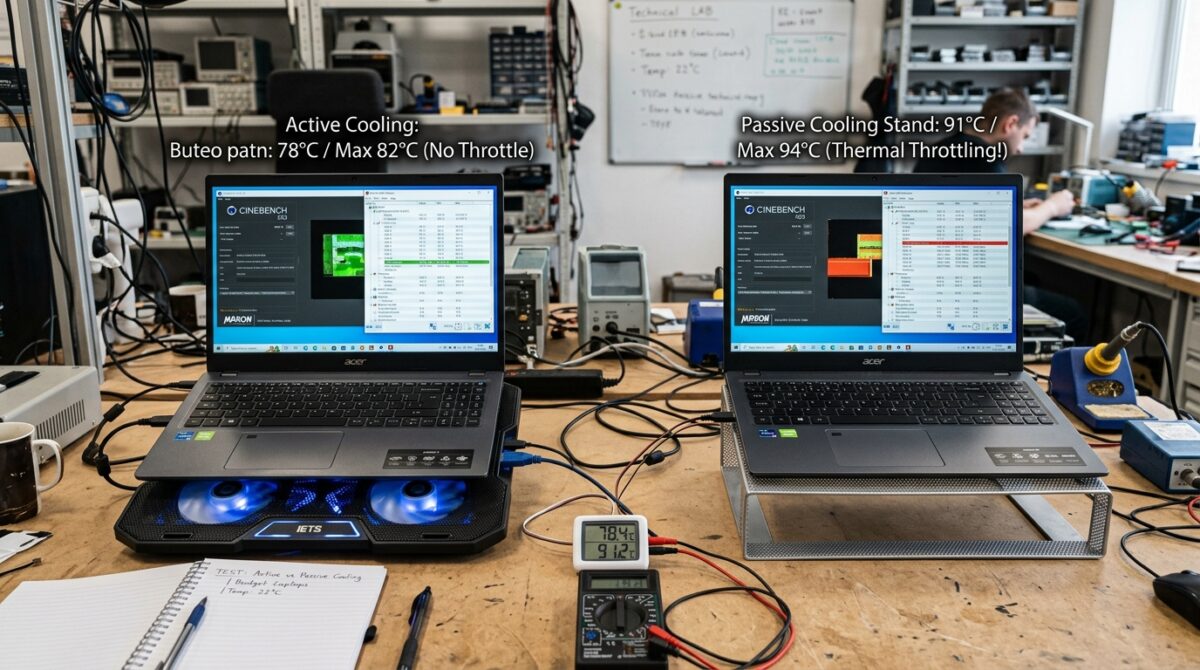
When it comes to inexpensive laptops, thermal constraints are a key worry since these laptops often have cooling systems that are less sophisticated. The GPU may throttle in order to maintain safe temperatures when subjected to persistent workloads, and NVENC is a contributor to GPU heat. NVENC, on the other hand, has a very mild thermal effect in comparison to full GPU workloads. This is due to the fact that it is efficient. The increased activity of the central processing unit (CPU) and integrated graphics processing unit (GPU) that QuickSync causes might result in greater temperatures for the CPU. If the central processing unit (CPU) becomes too hot, it may slow down, which will have an impact not only on the encoding process but also on the overall performance of the system. The workload of NVENC is more separated from the CPU, which allows it to maintain a more steady performance over time. This is the case in many instances.

Efficiency of Data Flow and Memory Bandwidth respectively
When it comes to real-time video encoding, efficient data processing is very necessary. Rather of transferring data across system memory, NVENC processes frames directly on the graphics processing unit (GPU). By streamlining the procedure, we are able to maintain constant performance and reduce latency. It is common for QuickSync to need the transfer of frames between the discrete GPU, the system memory, and the integrated GPU. This is dependent on the configuration of the system. This supplementary data transfer has the potential to cause delays and use bandwidth, which is especially obvious on systems that have slower memory. It is possible for this overhead to contribute to frame dips during high-resolution recording on budget laptops, which have restricted memory speed and bandwidth.

Performance under Real-World Conditions on Low-Cost Hardware
In real-world situations, NVENC often provides a recording performance that is more consistent and smoother on low-cost laptops that are equipped with NVIDIA graphics processing units by default. Because of its specialized hardware architecture, it is able to perform encoding in an efficient manner without having a significant influence on other components of the system. During times of lesser workloads or when the system is not being highly taxed, QuickSync functions quite well; nevertheless, its performance might fluctuate when it is under stress. Despite the fact that QuickSync has made substantial advancements on more recent CPUs, it still has a tendency to be more sensitive to the total load on the system in comparison to NVENC. NVENC often offers a more consistent experience for those who are capturing games or video with a high bitrate.

Which Encoder Loses a greater number of frames overall?
When it comes to recording, NVENC often loses less frames than QuickSync does, particularly in intensive situations such as gaming or multitasking. QuickSync, on the other hand, causes more frames to drop when recording. When it comes to ensuring constant frame delivery, it has a distinct edge because to its dedicated hardware encoder, less dependence on CPU resources, and fast data processing. QuickSync continues to be a powerful option for computers that do not have specialized graphics processing units (GPUs) or for recording jobs that are not as heavy; nevertheless, it is more prone to performance swings when it is under strain. NVENC is often the preferable option for users that prioritize smooth recordings with little interruptions. It offers more dependability and stability on entry-level hardware, making it possible for users to achieve their goals.

Categories
Tech Uncategorized

When You Are Traveling Here Is How to Keep Your Gadgets Safe

When You Are Traveling Here Is How to Keep Your Gadgets Safe

When it comes to traveling, it is often necessary to take vital equipment with you, such as cellphones, computers, tablets, cameras, headphones, and even gaming devices. Even while these instruments make journeys more comfortable and fun, they are also very susceptible to theft, damage, and environmental risks. It is as crucial to secure your electronic devices as it is to pack them, whether you are embarking on a little vacation or a lengthy travel to another country.

1. Make Sure to Select the Appropriate Travel Bag

Getting your hands on a travel bag that is secure is the first step in ensuring the protection of your gadgets. Search for backpacks or carry-on bags that have the following features:

Padded pockets to provide protection from bumps and impacts

Characteristics that prevent theft, such as zippers that may be locked or pockets that are concealed

Material that is water resistant in order to protect against both spills and rain

2. Employ Protective Cases

Each and every device need to come with its own sturdy casing. The likelihood of damage occurring during transportation is decreased by the use of cushioned camera bags, a shockproof laptop sleeve, and a robust phone cover. In addition to that, screen protectors prevent cracks and scratches from occurring.

3. Keep electronic devices in your carry-on baggage.

When you are traveling, you should always store devices that are valuable in your carry-on luggage rather than in your checked baggage. Checked baggage is more likely to be misplaced, mistreated, or exposed to harsh temperatures than carry-on luggage. Maintaining proximity to all of your electronic devices guarantees improved security and simpler access to them.

4. Organize Cables and Accessories

Loose cables are not only prone to becoming tangled up, but they may also cause ports to wear out if they are bent. Keep your chargers, earbuds, and adapters organized by using cable organizers or pouches to store them. The possibility of losing tiny accessories is decreased as a result of this.

5. Employ a virtual private network (VPN) to ensure your safety when you are online.

If you connect to public Wi-Fi at locations such as airports, hotels, or coffee shops, your data might be susceptible to being accessed by hackers. Your internet traffic is protected by a Virtual Private Network (VPN) that you can rely on, and it also keeps critical information, such as passwords, banking information, and emails, safe.

6. Keep track of your electronic devices by labeling them.

In order to make your electronic devices more easily recognizable, you should affix labels or one-of-a-kind stickers to them. In order to provide additional security, you may use monitoring tools like as Find My iPhone, Find My Device, or Bluetooth trackers from third-party vendors. With the assistance of these tools, you will be able to find objects that have been lost or stolen in a more timely manner.

7. Protect Electronic Devices from Inclement Weather

Extremely high or low temperatures and humidity may cause harm to electrical devices. Vehicles, surroundings with high levels of moisture, and direct sunshine should be avoided as locations to leave devices. When you are going to places that are either tropical or rainy, it is important to include silica gel packets within your luggage so that they can soak up any moisture.

8. Bring a power bank that can be carried about with you.

When you are traveling, it is possible that you may run out of power, which can make you susceptible, particularly if you depend on smartphones for navigation or for tickets. Even in situations when there are no electrical outlets accessible, you can be confident that your electronic devices will remain fully charged if you have a dependable power bank.

9. Before you go, be sure to back up your data.

The information that is contained inside a piece of technology is more valuable than the technology itself in the event that it is lost or stolen. Prior to embarking on any journey, you should make a backup of your information, either on an external hard drive or in the cloud. In that manner, even if your gadget is lost, your memories and your work will be protected from harm.

10. Be aware of the potential for theft.

Tourists who are carrying valuable electronic devices are often targeted by pickpockets. When you are in public, you should exercise caution when utilizing electronics. It is recommended that you refrain from leaving your laptop unattended in cafés or taking photographs with a flash in public locations. When you are in areas that are considered to be high-risk, you should use either a crossbody bag or a backpack that has features designed to prevent theft.

11. Bring a surge protector as well as a universal adapter with you.

If you use the incorrect charger or unstable power outlets when you are in another country, it is possible that your electronic devices may be damaged. While a surge protector prevents power spikes from causing damage to delicate electrical devices, a universal travel adaptor guarantees compatibility.

12. Obtain Insurance for Expensive Electronic Devices

Electronics that have been lost or stolen are often covered by travel insurance coverage. Prior to departing, make sure to review your plan, and consider adding extra coverage for high-value goods, such as cameras or computers. This provides financial security in the event of the most extreme circumstances.

Traveling with electronic devices makes things more convenient, but it also comes with it a certain amount of responsibility. You may have a good time on your vacation without having to concern yourself about your technology if you use protective cases, store your gadgets in carry-on baggage, safeguard your data, and remain vigilant against theft. When it comes to ensuring that your electronic devices remain secure, undamaged, and in full working order during the duration of your travels, a little amount of preparation may go a long way.

Categories
Uncategorized

A Comprehensive Guide for Parents on How to Configure Parental Controls on Devices

A Comprehensive Guide for Parents on How to Configure Parental Controls on Devices

The age of parental controls being only a choice is over; they are now a need for the protection of children in the modern world, which has been taken over by digital technology. Parental control settings allow families to establish a digital environment that is both safe and balanced by enabling them to do things such as filter out information that is unsuitable and restrict the amount of time spent on screens. This article provides step-by-step instructions on how to set up parental controls on a variety of devices, as well as suggestions for controlling digital habits in a responsible manner.

1. The Significance of Parental Controls

Children are spending more time on the internet than ever before, which makes them more susceptible to dangerous information, people who prey on children online, and digital addiction. Parental controls serve as guardrails, assisting parents in monitoring and guiding their children’s activities while yet allowing them to maintain some degree of digital independence.

2. Understanding the Different Kinds of Parental Controls

It is essential to have an understanding of the capabilities of parental controls before starting with the setup process:

Content filters are used to prevent access to websites, applications, and movies that are not acceptable for a certain age group.

  • Management of Screen Time—Establish daily limitations in order to avoid excessive usage.
  • App Restrictions – You may permit or prohibit the use of certain applications or downloads.
  • Purchase Controls — Prevent spending on in-app purchases without authorization.
  • Monitoring Tools — These tools are used to keep track of activities, internet history, and device use.

3. Configuring Parental Controls on Computers Running Windows

  • Under Microsoft Family Safety, Windows contains built-in capabilities.
  • Navigate to the following location: Settings > Accounts > Family & other users.
  • Under your family group, create a kid account for your child.
  • Using the Family Safety application, you may establish screen time restrictions, block websites that are not suitable, and get reports on a weekly basis.
  • It is also possible to establish spending limitations for purchases in the Microsoft Store.

4. How to Configure Parental Controls on macOS

Screen Time functions are available on Apple products.

  • Navigate to System Preferences and then choose Screen Time.
  • Establish a kid account under the Family Sharing feature.
  • Establish limitations on the amount of time spent using applications, create content restrictions (such as ratings for movies, television programs, or music), and set downtime periods.
  • Make sure that Ask to Buy is turned on so that children are required to get permission before they can buy anything.

5. Parental controls on iPhones and iPads

When it comes to managing parental controls, iOS makes the process simple.

  • Navigate to the screen time settings by going to “Settings,” then “Screen Time.”
  • Select “This is My Child’s Device” once you have tapped “Turn On Screen Time” on the screen.
  • Establish daily use limitations for applications, prevent access to pornographic websites, and define communication constraints.
  • Make advantage of your downtime to plan when you will take breaks from using devices, such as when you go to sleep.

6. Parental Controls on Devices that Use the Android Operating System

Through Google Family Link, Google provides parental control capabilities to its users.

  • On both the child’s mobile and the parent’s device, download the Family Link application.
  • Establish a Google account for your youngster that will be monitored by you.
  • Establish rules for app approvals, screen time limitations, and location monitoring.
  • In the Google Play Store, you have the ability to manage purchases and limit access to adult material.

7. Administration of Gaming Consoles (PlayStation, Xbox, Nintendo)

Consoles are a popular choice for children when it comes to screen time and interactions on the internet.

  • PlayStation: You may establish limitations on how much time is spent playing games, how much money can be spent, and who can communicate with one another by using the Family Management settings.
  • Xbox: To manage screen time, purchase authorization, and online safety settings, establish a Microsoft Family Group.
  • Nintendo Switch: If you want to establish limitations on playtime, prevent games from being played based on age ratings, and get reports on activities, you should download the Nintendo Switch Parental Controls application.

8. Configuring Controls for Smart Televisions and Streaming Devices

Parental controls are often included into smart televisions and streaming platforms as a standard feature.

  • Netflix: Establish a profile for children that includes content ratings, and use a PIN to lock adult profiles.
  • YouTube and YouTube Kids: If you have younger viewers, you may set up YouTube Kids for them or enable Restricted Mode.
  • Restrict purchases and restrict channels by rating on Amazon Fire TV or Roku.

9. Internet Browsers and Search Engines

Children are still able to access the internet via browsers, even if limits for devices are in place.

  • To filter out explicit search results, it is necessary to activate Google SafeSearch.
  • For age-appropriate browsing, Microsoft Edge Kids Mode is an excellent option.
  • Set up browser extensions that prevent access to websites containing content that is not suitable.

10. Establishing Controls on Smart Speakers and Home Assistants

Children may potentially be exposed to material that they should not be seeing via the use of virtual assistants such as Alexa or Google Home.

  • Amazon Alexa: To ensure that the replies are filtered and that music listening is safe, turn on Amazon Kids mode.
  • Google Home: You may use Family Link to block access to certain services and activate safe search filters.

11. Employing Parental Control Apps Developed by Third Parties

There are third-party applications available that can provide more in-depth information for parents who are looking for sophisticated monitoring capabilities.

  • Qustodio is a software program that monitors activities, establishes time limitations, and blocks information that is considered to be hazardous.
  • Bark — Keeps track of social media, emails, and texts in order to identify any interactions that might be potentially hazardous.
  • Net Nanny — Offers content filters that may be tailored to your specific needs, as well as notifications in real time.

12. Striking a Balance between Safety and Trust

Although parental restrictions are beneficial, children also want direction and talks about how to act safely when they are on the internet. Excessively stringent limits may result in feelings of irritation or concealment. Open talks about cyber safety, accountability, and balance should be held in conjunction with the implementation of digital norms.

13. Performing routine evaluations and adjustments to settings

As they get older, children’s requirements evolve. Something that is effective for a seven-year-old will not be suitable for a fifteen-year-old. In order to be certain that the parental control settings are in line with your family’s values and the level of maturity of your kid, it is a good idea to check these settings every few months.

Establishing parental controls on all of the devices that children use is one of the most effective measures that parents can take to ensure the safety of their children in a digital environment. Having said that, technology by itself is insufficient. Active participation is the most effective kind of parental supervision. This includes having frequent interactions with children, creating trust with them, and instructing them on how to use technology in a responsible manner.

Categories
Uncategorized

Safeguarding Your Digital Identity from Being Taken Over by Another Account

Safeguarding Your Digital Identity from Being Taken Over by Another Account

Guarding your identity while you are online is more important than it has ever been. When fraudsters acquire illegal access to your online accounts, this is known as account takeover. Account takeover may result in serious repercussions, including financial loss, harm to your reputation, and psychological suffering.

Account Takeover Fraud: What Does It Mean?
In the event that a hostile actor is able to get illegal access to a victim’s online account, such as an email account, banking account, e-commerce account, or social networking account, this is known as account takeover fraud. Once the fraudster has acquired access to the account, they are able to use it for a variety of objectives, including the following:

stealing information that is either personal or financial
Conducting transactions or making purchases without authorization.
Changing the credentials of an account in order to prevent the legitimate owner from accessing it
The use of the account to perform more fraudulent activities or scams (such as phishing)

The Fundamentals of Account Takeover Protection: Recommendations to Safeguard Your Digital Identity

MFA, or multi-factor authentication, should be enabled.
Multi-factor authentication (MFA) is a security measure that requires the use of two or more verification methods. Something that you know (a password), something that you have (a smartphone), or something that you may be (a fingerprint) could be included in this category.

Employ Secure and Unrepeatable Passwords
Take care not to use passwords that are simple to figure out, such as “password123” or “123456.” Make use of a combination of letters, numbers, and special characters to generate passwords that are more difficult to crack. When you sign in to each account, use a separate password.

Steer clear of any attempts at phishing.
Verify the sender’s email address at all times and keep an eye out for any indications of phishing, such as misspellings or links that seem to be suspicious. When dealing with unknown sources, you should never download files or click on links.

Consistently keep an eye on your accounts.
Always keep a close check on your internet accounts, credit reports, and bank statements to identify any strange behavior that may occur. The early discovery of account takeover may assist reduce the amount of harm that is caused by it.

Software and hardware should be kept up to date.
Take the necessary precautions to ensure that all of your devices, apps, and operating systems have the most recent security updates installed. It is common for cybercriminals to take advantage of weaknesses in obsolete software.

Make use of a password manager.
It is possible to develop and save secure, one-of-a-kind passwords for all of your accounts with the assistance of a password manager. The danger of employing passwords that are either weak or repetitive is decreased as a result of this.

Protect the Network in Your Home
In addition to enabling WPA3 encryption, you need change the default login credentials for your router. This makes it easier to prevent unwanted users from accessing your home network.

Restriction on the Sharing of Personal Information
Keep in mind that the material you publish online, particularly on social media, should be viewed with caution. In order to guess passwords or answer security questions, cybercriminals might exploit personal information to their advantage.