Active Noise Cancellation (ANC) Eardrum Pressure: How to Alleviate the “Cabin Pressure” Sensation in Premium Headphones
The technology known as active noise cancellation has revolutionized the headphone business by enabling users to listen to music, podcasts, and make phone conversations with a greatly decreased amount of additional background noise. Luxury headphones that are fitted with cutting-edge active noise cancellation (ANC) technology are becoming more popular among those who regularly work in loud locations, such as students, professionals, and people who travel. Despite the fact that many users like the calm listening experience, some have reported experiencing an uncomfortable feeling that is often referred to as “cabin pressure” or “eardrum pressure.” It is possible that this sensation will cause headphones to seem unpleasant, even when the sound quality is of such high quality. While some users report experiencing slight pain within minutes, others find it difficult to use headphones with active noise cancellation for lengthy periods of time. Despite the fact that the feeling does not often imply any real pressure changes inside the ear, it continues to be a widespread worry among customers. It is possible for consumers to experience the advantages of ANC technology without experiencing any unneeded pain if they have a better understanding of why this phenomena arises and if they discover practical techniques to eliminate it.
Gaining an Understanding of the Operation of Active Noise Cancellation
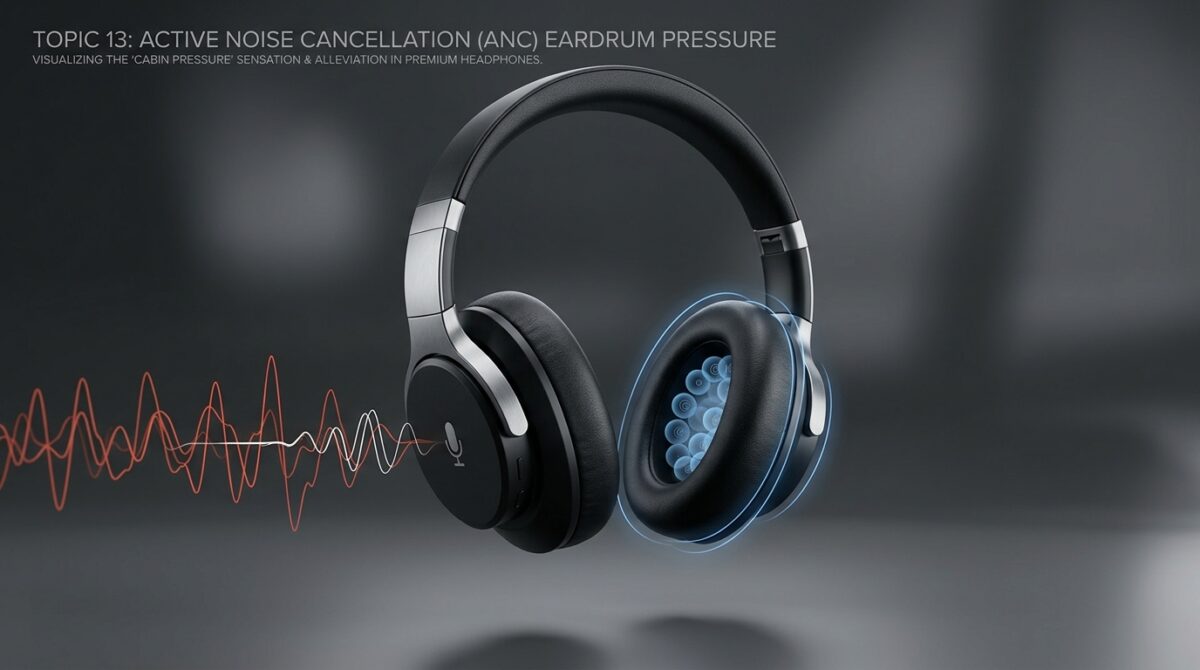
In order to work, Active Noise Cancellation makes use of microphones to identify noises coming from the outside world. Subsequently, it generates inverse sound waves that cancel out undesired noise before it reaches individuals’ ears. Low-frequency noises, such as those produced by jet engines, air conditioners, rail vibrations, and workplace background noise, are greatly reduced by the use of this method, which is very successful. The system performs continual analysis of the audio in the surrounding environment and makes constant adjustments to its canceling response. Despite the fact that this results in a more peaceful listening environment, it also causes a change in the way the brain interprets background noise. The lowering of certain frequencies may result in a unique subjective experience that some people perceive as pressure, despite the fact that there is no substantial change in the physical pressure that is happening inside the ear canal.
The Reasons Behind the Pressure Sensation in the Cabin
A significant portion of the experience that is often associated with ANC headphones is neurological in nature, rather than mechanical. The brain is continually processing external noises, including low-frequency background noise, while hearing is functioning normally. There is a shift in the sensory input that the auditory system receives as a result of the rapid removal of a significant portion of this information by ANC technology. Some individuals get the impression that this decrease is comparable to the pressure changes that they experience when traveling by airplane. At the same time as the brain anticipates the presence of certain environmental signals, the lack of such signals might result in a feeling that is similar to that of pressure or fullness in the ears. There is a great amount of variation in individual sensitivity, which is the reason why some people perceive the impact quickly while others never do.
What Function Does Noise Cancellation at Low Frequencies Serve?
The majority of active noise cancellation (ANC) systems are very good at removing low-frequency sounds. This is due to the fact that these frequencies are more predictable and simpler to compensate for electrically. Regrettably, the cabin pressure sense is associated with low-frequency cancellation in a close and intimate way. When certain frequencies are no longer present, the aural world undergoes a significant transformation. Premium headphones often have better cancelation capabilities than entry-level versions, which might make the feeling more evident for people who are more sensitive to it. Surprisingly, the same technology that makes noise suppression more effective might also make it more likely that one would have a sense of pressure in their ears. It is helpful to have an understanding of this connection in order to explain why some high-end headphones cause greater responses while delivering higher overall performance.
A Look at How the Fit of Headphones Affects Comfort
If you are physically fit, you will have a significant impact on how ANC feels while you are using it. Using headphones that cover the ears results in the creation of a sealed acoustic chamber around the ears, which increases the efficacy of noise cancellation. On the other hand, this seal has the ability to heighten one’s perception of pressure-like feelings. Clamping forces that are too tight, ear cushions that are too thick, and designs that are too isolating might all be factors that contribute to the sensation of confinement that users identify with ANC pain. It may be difficult to differentiate between the mechanical pain caused by noise cancellation and the neurological consequences of headphones that fit too tightly around the ears. This is because headphones that fit too tightly can induce true physical pressure around the ears. When it comes to the entire listening experience, finding a model that fits comfortably is frequently a huge improvement.
Utilization of Adjustable ANC Levels
The noise cancellation (ANC) settings of many current luxury headphones are customizable, giving customers the ability to alter the level of noise cancellation they experience. Users have the ability to pick moderate settings that minimize environmental noise while preserving some degree of awareness of the surrounding environment. This is an alternative to running at full cancellation strength continually. As a result of the auditory system continuing to receive a part of the ambient sound environment, lower ANC settings often result in a perception of reduced cabin pressure. This progressive balancing may assist users who are sensitive to noise adjust to the environment more easily while still reaping the benefits of considerable noise reduction. One of the most effective alternatives for those who are uncomfortable with forceful noise cancellation systems is adjustable active noise cancellation (ANC), which has grown more popular in recent years.
Maintaining a Timetable for Adjustment
A significant number of users see a reduction in the sense of cabin pressure as their brains get used to the ANC technology. Due to the fact that the auditory system is meeting a listening environment that is considerably different from the settings that are typical, the first exposure may seem strange. It is common for the brain to acquire the ability to perceive the changed soundscape in a more natural manner with frequent usage. After a few days or weeks of consistent usage, the discomfort seems to become much less apparent, according to the accounts of some users who first found ANC to be painful. Gradual exposure may be especially beneficial since it enables people to develop tolerance without instantly putting themselves through lengthy listening sessions.
In addition to the Ambient Sound Mode, Transparency
There is a growing trend among premium headphones to include transparency or ambient listening modes, which incorporate noises from the surrounding environment into the listening experience. These capabilities make use of external microphones to reintroduce the sounds from the surrounding environment while preserving the functionality of the headphones. Transparency modes have the potential to provide significant comfort to people who are sensitive to pressure feelings connected to ANC equipment. These modes help to alleviate pain by reestablishing a sense of natural environmental awareness, which decreases the sensory disconnect that is a contributing factor. Numerous headphones enable users to move between ambient noise cancellation (ANC) and ambient modes in a smooth manner, providing them with more control over their listening environment throughout the day.
How to Determine the Appropriate Headphone Design
Headphones with active noise cancellation (ANC) do not all create the same amount of felt pressure. Variations in the positioning of the microphone, the algorithms used for data processing, the design of the ear cup, and the acoustic tuning all have an impact on how the technology feels while it is being used. While there are manufacturers that place an emphasis on aggressive canceling performance, there are other manufacturers who concentrate on developing a more natural listening experience. In general, open-ear and semi-open designs generate less pressure-related complaints, despite the fact that they provide less noise reduction. Comfort levels may vary greatly from one design to another, even within the premium headphone category, so users who are especially sensitive may find it beneficial to try out numerous models before making a purchase.
Taking Actionable Steps to Enhance Comfort Over the Long Term
It is possible to alleviate pain with regular usage by making a few simple changes. When it comes to improving comfort levels, lowering the strength of the active noise cancellation (ANC), taking frequent listening breaks, and ensuring that the headphones fit properly are all potential solutions. This helps avoid hearing fatigue, which might otherwise heighten awareness of pressure feelings. Maintaining appropriate listening levels is another way to reduce auditory tiredness. Users have to try out a variety of ear cushion settings and make modifications to the fit in order to find the configuration that provides the greatest level of comfort. Changes in use behaviors that are quite minor may often result in obvious benefits, especially while listening for lengthy periods of time at work, while traveling, or while doing academic work.
Achieving a Balance Between Contemplation and Relaxation
Despite the fact that the cabin pressure impression that is linked with Active Noise Cancellation is one of the most often reported side effects of premium headphones, it seldom represents the real physical pressure that is present inside the ears. The primary cause of this phenomenon is the way in which the brain processes the abrupt decrease in the amount of low-frequency sound in the surrounding environment. Adjustable active noise cancellation (ANC) settings, transparency modes, good headphone fit, and gradual acclimation are some of the ways that the majority of users may relieve potential discomfort. Modern headphone technologies provide a wide variety of options for personalizing the listening experience, despite the fact that some people continue to be more sensitive than others. When consumers strike a balance between the performance of noise reduction technology and their own personal comfort preferences, they are able to reap the benefits of ANC technology while simultaneously reducing the feelings that are sometimes associated with it.