Categories
Entertainment & Arts

Bonjour Paris! Audrey Hepburn’s Timeless Elegance in “Funny Face” and a Melodic Journey through “Bonjour Paris”

In the realm of cinematic classics, “Funny Face” stands as a masterpiece, a delightful confluence of romance, fashion, and the timeless elegance personified by the incomparable Audrey Hepburn. Released in 1957, this musical romantic comedy directed by Stanley Donen not only showcased Hepburn’s multifaceted talents but also provided a visually stunning ode to the enchanting allure of Paris. One of the film’s standout moments is undoubtedly the iconic “Bonjour Paris” sequence, a musical interlude that captures the essence of the City of Lights and celebrates Hepburn’s captivating presence.

Audrey Hepburn: A Timeless Muse

Before delving into the enchanting “Bonjour Paris” song sequence, it’s essential to acknowledge the extraordinary presence of Audrey Hepburn in the film. Hepburn, already established as a Hollywood icon, elevated her status with her portrayal of Jo Stockton, a bookstore clerk turned reluctant model. Her gamine charm, impeccable style, and unparalleled grace added layers to the character, making Jo Stockton an endearing and memorable figure in cinematic history.

Hepburn’s collaboration with Stanley Donen, who had previously directed her in “Roman Holiday,” once again proved to be magical. The chemistry between director and actress, combined with Hepburn’s innate ability to embody characters with authenticity, created a cinematic synergy that resonated with audiences worldwide.

“Funny Face”: A Cinematic Love Letter to Paris

The narrative of “Funny Face” unfolds against the backdrop of the glamorous world of fashion, taking the audience on a journey from the quaint bookshops of Greenwich Village to the haute couture runways of Paris. The juxtaposition of the bohemian and the luxurious sets the stage for a visual feast, and it is within this narrative tapestry that “Bonjour Paris” emerges as a shining gem.

As Jo Stockton reluctantly transforms into a fashion model, the film’s plot pivots to the fashion capital of the world – Paris. The decision to shoot on location in Paris was a stroke of brilliance, as it allowed the filmmakers to capture the city’s iconic landmarks and infuse the film with an authentic Parisian ambiance. The Eiffel Tower, the Louvre, and the River Seine become integral elements in the unfolding love story, and the city itself becomes a character in the film.

“Bonjour Paris”: A Melodic Celebration

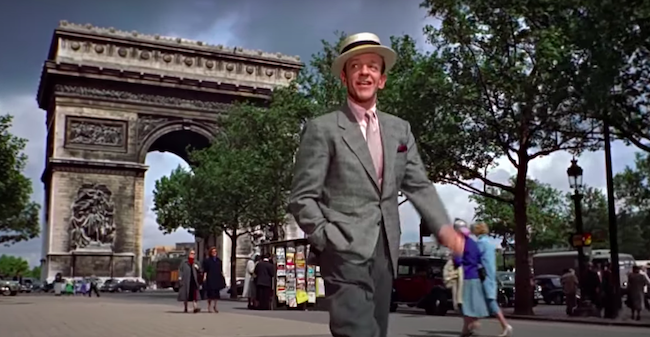
The “Bonjour Paris” song sequence is a pivotal moment in the film, both visually and musically. Composed by George and Ira Gershwin, with lyrics by Leonard Gershe, the song encapsulates the joy and wonder of experiencing Paris for the first time. Sung by Fred Astaire as the charismatic fashion photographer Dick Avery, the song becomes a melodic journey through the city’s enchanting streets, capturing the essence of discovery and delight.

As Astaire strolls through the iconic locales of Paris, including the Louvre courtyard and the banks of the Seine, the audience is treated to a feast for the senses. The choreography, the cinematography, and the infectious energy of the song converge to create a cinematic moment that transcends time. Astaire’s smooth delivery of the lyrics, combined with the Gershwin brothers’ masterful composition, immerses the audience in the sheer magic of the moment.

Audrey Hepburn’s Dance of Delight

While Fred Astaire’s performance is undoubtedly enchanting, the heart of the “Bonjour Paris” sequence lies in Audrey Hepburn’s dance of delight. Hepburn, dressed in a simple yet elegant black dress, dances with an uninhibited joy that is contagious. Her effervescent spirit, coupled with the enchanting backdrop of Paris, encapsulates the very essence of the city’s allure.

The choreography, overseen by the legendary Fred Astaire himself, showcases Hepburn’s grace and agility. The dance is a celebration of freedom, a visual representation of Jo Stockton embracing the transformative power of love and the enchantment of Parisian beauty. Hepburn’s dance in the “Bonjour Paris” sequence is a testament to her versatility as an actress and a dancer, leaving an indelible mark on the cinematic landscape.

Fashion as an Art Form

In “Funny Face,” fashion transcends mere clothing; it becomes a visual language that communicates emotions, desires, and transformations. The collaboration between Audrey Hepburn and the renowned fashion photographer Richard Avedon, who served as the film’s visual consultant, elevated the representation of fashion on screen. The iconic fashion photo shoot sequence, set to the tune of “Think Pink,” and the subsequent “Bonjour Paris” sequence, seamlessly integrate fashion into the narrative, making it an integral element of the storytelling process.

Hepburn’s metamorphosis from a bookish intellectual to a glamorous model is beautifully captured through the lens of Avedon’s camera. The visual juxtaposition of Hepburn’s character against the vibrant couture gowns and the timeless backdrop of Paris creates a visual symphony that is both breathtaking and emotionally resonant.

Legacy and Cultural Impact

Over six decades since its release, “Funny Face” continues to be celebrated for its cultural impact and enduring charm. The film’s exploration of themes such as identity, transformation, and the power of love resonates with audiences of all ages. The “Bonjour Paris” sequence, in particular, has become an iconic representation of the magic of cinema, encapsulating the timeless allure of the City of Lights.

Audrey Hepburn’s legacy as a fashion and cinematic icon endures, with “Funny Face” serving as a testament to her ability to seamlessly blend grace, talent, and style. The film’s influence extends beyond the silver screen, inspiring subsequent generations of filmmakers, fashion enthusiasts, and dreamers captivated by the romance of Paris.

In Conclusion: A Cinematic Masterpiece

“Funny Face” remains a cinematic masterpiece that transcends genres. Its fusion of romance, comedy, music, and fashion creates an immersive experience that lingers in the hearts of those who have had the pleasure of witnessing its magic. The “Bonjour Paris” song sequence, with its melodic celebration of discovery and Hepburn’s dance of delight, stands as a timeless testament to the enduring appeal of classic cinema.

As we revisit “Funny Face” and embark on a musical journey through “Bonjour Paris,” we are transported to a world where love, fashion, and the enchantment of Paris converge. Audrey Hepburn’s luminous presence, coupled with the genius of Fred Astaire and the Gershwin brothers, ensures that the film remains eternally relevant, an evergreen testament to the transformative power of art and the enduring beauty of Parisian dreams.
Categories
Entertainment & Arts

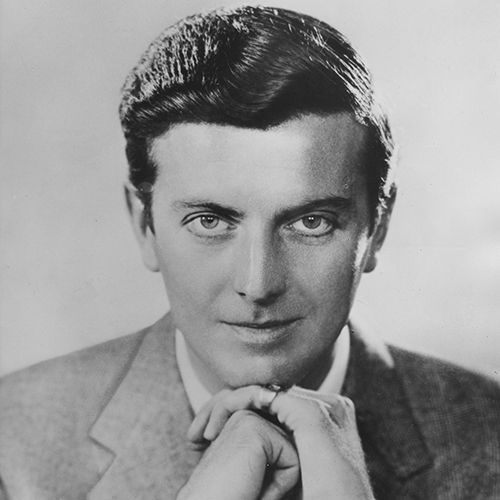
Hubert de Givenchy: A French Aristocrat’s Enduring Legacy in the World of Fashion

In the realm of high fashion, the name Hubert de Givenchy stands as an icon, synonymous with elegance, sophistication, and timeless style. Born on February 20, 1927, in Beauvais, France, Givenchy’s journey from a young aristocrat to a legendary fashion designer is a tale of passion, innovation, and an unwavering commitment to beauty.

Early Years and Aristocratic Roots

Hubert James Taffin de Givenchy was born into an aristocratic family with roots deeply embedded in French history. Raised in the opulent surroundings of the Beauvais Château, Givenchy’s early exposure to art, culture, and refinement laid the foundation for his future in the world of aesthetics. His family’s lineage traced back to the 18th century, and this heritage infused in him a profound appreciation for craftsmanship and the finer things in life.

The Ascent in Fashion: From Apprenticeship to Stardom

Givenchy’s fascination with fashion blossomed during his formative years, leading him to pursue formal training at the École des Beaux-Arts in Paris. His journey into the world of haute couture took a decisive turn when he joined the prestigious Maison Piguet in 1945 as an apprentice. Under the guidance of designer Jacques Fath, Givenchy honed his skills and gained invaluable insights into the intricate artistry of fashion.

The turning point in Givenchy’s career came in 1952 when he founded his eponymous fashion house, “Givenchy.” The brand swiftly became synonymous with refinement and sophistication. His early designs, marked by a blend of simplicity and elegance, caught the attention of the fashion elite. Givenchy’s creations were characterized by clean lines, luxurious fabrics, and a keen attention to detail, setting the stage for his meteoric rise in the industry.

Audrey Hepburn: A Muse and Iconic Collaboration

One of the most enduring partnerships in the history of fashion blossomed between Hubert de Givenchy and the legendary actress Audrey Hepburn. The two first crossed paths in 1953, and a bond was forged that would forever change the landscape of fashion. Givenchy’s iconic association with Hepburn began with the black dress she wore in the movie “Sabrina” (1954) and reached its zenith with the iconic little black dress from “Breakfast at Tiffany’s” (1961).

Their collaboration extended beyond film sets, with Hepburn often choosing Givenchy’s designs for her personal life and public appearances. The designer’s creations for Hepburn embodied the epitome of timeless chic, and the duo’s friendship endured for over four decades, leaving an indelible mark on the world of fashion.

Innovations and Influence in Haute Couture

Givenchy’s innovative approach to haute couture earned him accolades and a devoted clientele. His designs were celebrated for their versatility, seamlessly blending traditional elegance with modern trends. The “Bettina blouse,” a revolutionary piece created in 1952, showcased his penchant for redefining women’s fashion. Givenchy’s contributions to the fashion industry extended beyond clothing; he introduced the concept of a luxury ready-to-wear line, making high-end fashion accessible to a broader audience.

The 1960s witnessed Givenchy’s exploration of geometric shapes and unconventional fabrics, further solidifying his reputation as a visionary in the fashion realm. His use of graphic prints and bold patterns challenged conventional norms, inspiring a new wave of creativity in the industry.

Global Expansion and Enduring Legacy

Givenchy’s influence transcended borders, and by the 1970s, his brand had expanded globally. The Maison Givenchy became synonymous with Parisian chic, attracting a diverse clientele ranging from Hollywood stars to royalty. The designer’s commitment to elegance, combined with his ability to adapt to changing tastes, ensured that the House of Givenchy remained at the forefront of haute couture.

In 1988, Givenchy sold his fashion house to the luxury conglomerate LVMH (Moët Hennessy Louis Vuitton), signaling a new chapter for the brand. Despite stepping down from the creative helm, Givenchy’s legacy continued to flourish under the guidance of subsequent creative directors.

Awards and Honors: Recognizing Excellence

Hubert de Givenchy’s contributions to the world of fashion garnered numerous accolades and honors throughout his illustrious career. In 1983, he received the Chevalier de la Légion d’Honneur, one of France’s highest civilian honors, in recognition of his outstanding achievements. The fashion world also celebrated his legacy with retrospective exhibitions, showcasing the evolution of Givenchy’s designs and their enduring impact.

The Enduring Allure of Givenchy: A Lasting Impact

Hubert de Givenchy’s influence on the world of fashion goes beyond the garments he created; it encompasses a philosophy of style and grace. His commitment to refining the art of dressing and his ability to capture the essence of timeless beauty continue to inspire designers and fashion enthusiasts alike.

Givenchy’s designs, characterized by their enduring elegance and simplicity, remain relevant in contemporary fashion. The House of Givenchy, under various creative directors, strives to honor and build upon the foundation laid by its visionary founder.

Hubert de Givenchy passed away on March 10, 2018, leaving behind a legacy that transcends trends and resonates with those who appreciate the transformative power of fashion. His impact on haute couture, coupled with his aristocratic charm, ensures that the name Givenchy will forever be synonymous with unparalleled style and sophistication.

Categories
Entertainment & Arts

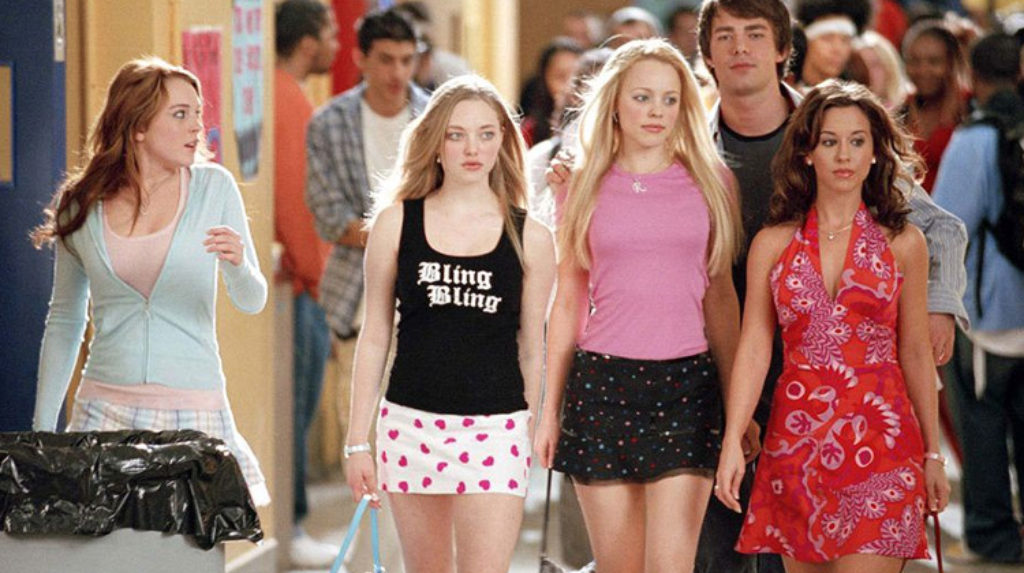
Review of Mean Girls: A Fantastic Musical Refresh of the Teen Classic

In the beginning, the idea of successfully remaking Mean Girls seemed about as likely as making “fetch” happen. However, the new version, complete with a fresh screenplay from Tina Fey (based on her Broadway book, which was based on her 2004 movie script), manages to capture the essence of life with the Plastics in a pretty fantastic way.

The story follows the same beats as the 2004 hit film, with Cady Heron (played by Angourie Rice) navigating the challenges of a midwestern high school filled with cliques, gossip, and stolen boyfriends. Teaming up with her new friends Janis (Auli’i Cravalho) and Damian (Jaquel Spivey), Cady devises a plan to disrupt the lives of Regina George (Reneé Rapp) and her fellow Plastics, Gretchen (Bebe Wood) and Karen (Avantika). However, things take an unexpected turn as Cady herself becomes entangled in the world of pink power dynamics, especially in her rivalry with Regina for the attention of popular boy Aaron Samuels (Christopher Briney).

Though the core story remains the same, Fey wisely updates the script for a new generation of teens. Many of the iconic lines from the original movie are either eliminated or cleverly integrated into musical numbers. The collaborative efforts of Fey, directors Samantha Jayne and Arturo Perez Jr., and the cast pay homage to the original while creating a movie that stands on its own. The humor feels timeless, with some jokes possibly crafted by Fey years ago but reworked for today’s audience.

Teen culture has evolved since 2004, and this adaptation reflects positive changes in inclusivity and acceptance. Some problematic aspects of the original script have been removed, making it more suitable for today’s audience. However, this adjustment also lessens the sharp edge that made Mean Girls so memorable. The biting and vicious nature of teenage girls, a significant element of the original, feels somewhat subdued in this version.

Social changes, especially the impact of social media on pop culture and teenagers’ lives, are seamlessly integrated into the plot. Directors Jayne and Perez skillfully incorporate TikTok reaction vids, Instagram comments, and other modern elements to create a setting that feels relevant to North Shore High School in 2024.

Despite efforts to downplay its musical nature, Mean Girls is indeed a musical. While the overall score is average, there are standout numbers, such as the catchy “Revenge Party.” Jayne and Perez display a confident understanding of the musical genre, creating a visually engaging world that complements the story.

The true strength of Mean Girls lies in its cast. Angourie Rice, though slightly mild-mannered, leads the cast well. Reneé Rapp steals the show with her portrayal of Regina, delivering a powerful and daring performance. Auli’i Cravalho shines as Janis, adding depth and playfulness to her character. However, Bebe Wood as Gretchen is forgettable, and Avantika’s performance as Karen feels overacted.

While the new Mean Girls may not launch careers as its 2004 counterpart did, it remains a playground for fresh talent. Do we really need another film version? Perhaps not, but it’s quite grool that the one we have is so enjoyable. Grade: B

Categories
Entertainment & Arts

Breaking Down the Exciting 2024 Screen Actors Guild Awards Nominations: Hollywood’s Finest Recognized in Film and TV

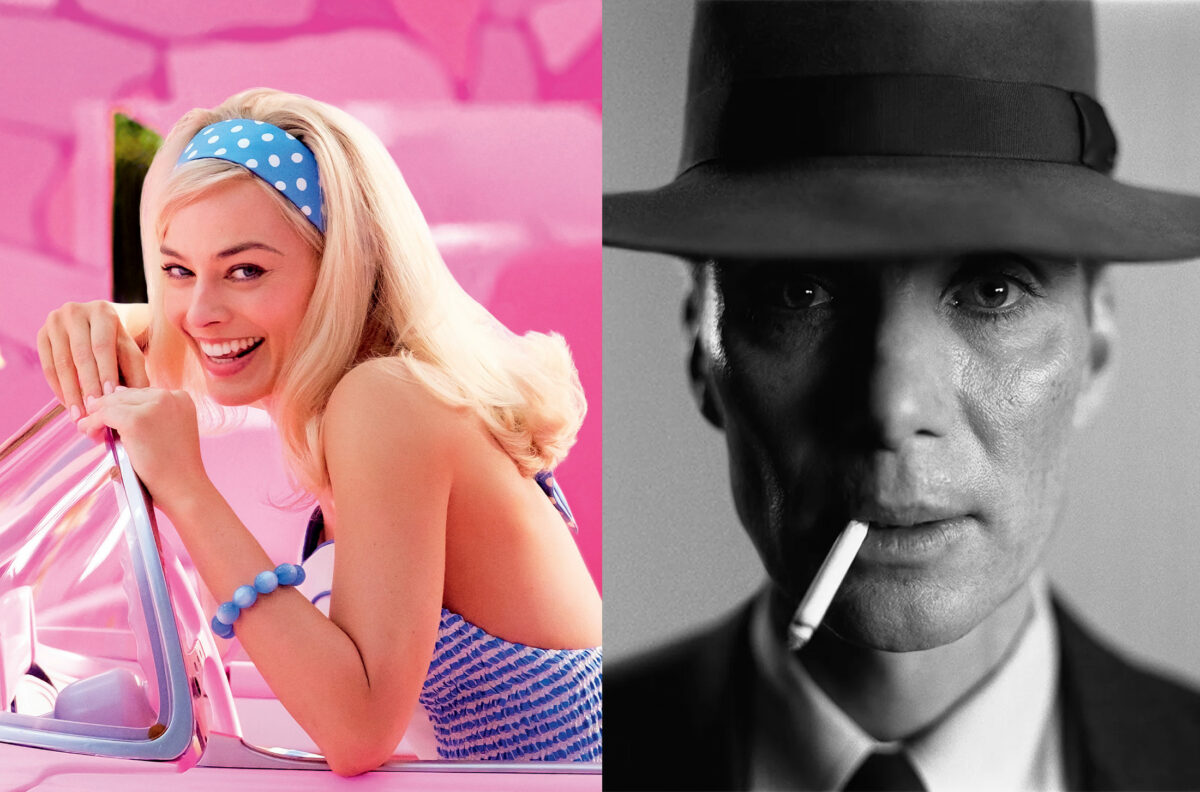
Hollywood actors are getting recognition for their outstanding work in movies and TV shows at the 2024 Screen Actors Guild Awards. Barbie and Oppenheimer lead with four nominations each, including nods for Margot Robbie, Ryan Gosling, Cillian Murphy, Robert Downey Jr., and Emily Blunt.

Some surprises and snubs in the film category include Leonardo DiCaprio not getting a nomination for his role in Killers of the Flower Moon and Fantasia Barrino missing out for The Color Purple. Penélope Cruz’s supporting performance in Ferrari was an unexpected nominee.

On the TV side, HBO’s Succession’s final season earned five nominations, with Pedro Pascal, Bella Ramsey from The Last of Us, Quinta Brunson of Abbott Elementary, and stars of Ted Lasso also being major nominees.

Issa Rae and Kumail Nanjiani announced the nominees on Instagram Live. The Screen Actors Guild and the American Federation of Television and Radio Artists (SAG-AFTRA) had a significant year, including a four-month strike from July to November. Fran Drescher, who played a role in leading the guild during the strike, spoke during the announcement.

This year, SAG’s nominations overlap with the Emmys season due to the strike affecting the TV Academy’s schedule. SAG Awards are a crucial part of the awards season leading up to the Oscars, and the winners often align with the Academy’s choices.

Barbra Streisand will receive the 2024 SAG Life Achievement Award at the ceremony on Feb. 24, which will be streamed live on Netflix.

For a full list of the 2024 SAG Awards nominations, check below:

FILM NOMINEES:

  • Motion Picture Cast: American Fiction, Barbie, The Color Purple, Killers of the Flower Moon, Oppenheimer
  • Male Actor in a Leading Role (Motion Picture): Bradley Cooper, Colman Domingo, Paul Giamatti, Cillian Murphy, Jeffrey Wright
  • Female Actor in a Leading Role (Motion Picture): Annette Bening, Lily Gladstone, Carey Mulligan, Margot Robbie, Emma Stone
  • Male Actor in a Supporting Role (Motion Picture): Sterling K. Brown, Willem Dafoe, Robert De Niro, Robert Downey Jr., Ryan Gosling
  • Female Actor in a Supporting Role (Motion Picture): Emily Blunt, Danielle Brooks, Penélope Cruz, Jodie Foster, Da’Vine Joy Randolph
  • Stunt Ensemble in a Motion Picture: Barbie, Guardians of the Galaxy Vol. 3, Indiana Jones and the Dial of Destiny, John Wick: Chapter 4, Mission: Impossible — Dead Reckoning, Part One

TELEVISION NOMINEES:

  • Drama Series Ensemble: The Crown, The Gilded Age, The Last of Us, The Morning Show, Succession
  • Comedy Series Ensemble: Abbott Elementary, Barry, The Bear, Only Murders in the Building, Ted Lasso
  • Male Actor in a TV Movie or Miniseries: Matt Bomer, Jon Hamm, David Oyelowo, Tony Shalhoub, Steven Yeun
  • Female Actor in a TV Movie or Miniseries: Uzo Aduba, Kathryn Hahn, Brie Larson, Bel Powley, Ali Wong
  • Male Actor in a Drama Series: Brian Cox, Billy Crudup, Kieran Culkin, Matthew Macfadyen, Pedro Pascal
  • Female Actor in a Drama Series: Jennifer Aniston, Elizabeth Debicki, Bella Ramsey, Keri Russell, Sarah Snook
  • Male Actor in a Comedy Series: Brett Goldstein, Bill Hader, Ebon Moss-Bachrach, Jason Sudeikis, Jeremy Allen White
  • Female Actor in a Comedy Series: Alex Borstein, Rachel Brosnahan, Quinta Brunson, Ayo Edebiri, Hannah Waddingham
  • Stunt Ensemble in a TV Series: Ahsoka, Barry, Beef, The Last of Us, The Mandalorian
Categories
Entertainment & Arts

The Enigma of Tom Hanks: Unraveling the Complexity Behind Hollywood’s Most Decent Star

Introduction:

In the vast and often turbulent landscape of Hollywood, Tom Hanks stands as a beacon of decency, talent, and enduring success. Regarded as one of the most beloved actors of his generation, Hanks has captivated audiences with his versatility, charm, and unmistakable authenticity. However, beneath the surface of his seemingly straightforward persona lies a complexity that adds layers to his enigmatic allure. In this extensive exploration, we delve into the mystery of Tom Hanks, examining the facets of his character, career, and the intriguing blend of simplicity and complexity that defines this iconic Hollywood star.

The Journey to Stardom:

1. Early Years and Television Roots:

  • Tom Hanks, born in Concord, California, embarked on his entertainment journey with roles in sitcoms like “Bosom Buddies” and “Family Ties.” His early career hinted at the affable charm that would later become his trademark.

2. Breakthrough with “Big” and “Splash”:

  • The ’80s marked Hanks’ breakthrough with memorable roles in “Big” and “Splash,” showcasing his comedic prowess and establishing him as a leading man.

3. Oscar-Winning Performances:

  • The ’90s saw Hanks receive back-to-back Academy Awards for “Philadelphia” and “Forrest Gump,” solidifying his status as one of Hollywood’s most esteemed actors.

The Decency Persona:

1. America’s Dad:

  • Tom Hanks is often referred to as “America’s Dad,” a moniker earned through his wholesome image, relatable characters, and reputation for being one of the nicest people in the industry.

2. Enduring Popularity:

  • Hanks’ enduring popularity is not solely based on his acting prowess but also on his down-to-earth nature, philanthropy, and genuine interactions with fans.

3. Family Values:

  • A devoted husband and father, Hanks’ commitment to family values and maintaining a private personal life sets him apart in an industry often marked by tumultuous relationships.

Complexity Behind the Smile:

1. Versatility in Roles:

  • Despite his reputation for decency, Hanks has showcased remarkable versatility in roles that delve into complex and troubled characters, challenging the perception of him as solely a wholesome actor.

2. Relationship with the Media:

  • Hanks maintains a strategic relationship with the media, carefully guarding his private life while offering glimpses that leave fans both satisfied and intrigued.

3. Artistic Ambitions:

  • Beyond acting, Hanks has explored various artistic avenues, including producing, directing, and even venturing into writing. His creative ambitions contribute to the multifaceted nature of his celebrity.

Philanthropy and Social Impact:

1. Humanitarian Efforts:

  • Tom Hanks is actively involved in philanthropy, supporting causes ranging from medical research to veterans’ initiatives. His commitment to making a positive impact adds depth to his public persona.

2. Global Ambassador for UNICEF:

  • As a global ambassador for UNICEF, Hanks extends his influence beyond the entertainment industry, utilizing his platform to advocate for children’s rights and well-being worldwide.

Hollywood’s Everyman:

1. Relatability and Everyman Persona:

  • Hanks’ ability to portray the “everyman” on screen contributes to his universal appeal. Audiences find a sense of relatability in his characters, reinforcing his status as Hollywood’s most approachable star.

2. Navigating Fame with Grace:

  • Unlike many celebrities, Hanks has navigated fame with grace, avoiding scandal and controversy. His ability to maintain dignity in the public eye sets him apart in an industry often marked by turmoil.

Personal Life and Challenges:

1. Marriage and Family Dynamics:

  • Tom Hanks’ enduring marriage to actress Rita Wilson and his commitment to raising a family in the public eye provide a glimpse into the challenges and triumphs of balancing personal and professional life.

2. Health Struggles:

  • Hanks’ openness about his health struggles, including a battle with COVID-19, adds a layer of vulnerability to his public image, showcasing the human side of a Hollywood icon.

Conclusion:

Tom Hanks, Hollywood’s most decent star, is a complex and multifaceted personality who has mastered the delicate dance of fame with both skill and grace. From his early sitcom days to his iconic film roles, Hanks has seamlessly navigated the complexities of the entertainment industry. The mystery of Tom Hanks lies in the intricate blend of his genuine decency, unexpected roles, private personal life, and the enduring impact he has made on both the cinematic landscape and the world at large. As audiences continue to be enchanted by his performances and inspired by his humanity, the enigma of Tom Hanks persists, inviting us to appreciate the layers of complexity that define this legendary figure in Hollywood.

Categories
Entertainment & Arts

20 Famous Celebrity Couples: A Glance Into True Love in the Spotlight

Introduction:

Love knows no bounds, and when it comes to the glittering world of Hollywood, famous celebrity couples often become the epitome of romance, elegance, and enduring partnerships. From red carpet appearances to social media declarations, these couples capture the hearts of fans worldwide. In this extensive exploration, we’ll take a deep dive into 20 famous celebrity couples whose love stories have stood the test of time, weathering the storms of fame and fortune.

1. Brad Pitt and Angelina Jolie:

  • Once Hollywood’s golden couple, “Brangelina” took the world by storm. Their union, which began on the set of “Mr. & Mrs. Smith,” captivated fans for over a decade before their separation in 2016.

2. Beyoncé and Jay-Z:

  • The power couple of music, Beyoncé and Jay-Z, have built an empire together. From “Crazy in Love” to collaborating on multiple albums, they continue to be a force to be reckoned with.

3. David and Victoria Beckham:

  • From football fields to the fashion runway, the Beckhams epitomize style and sophistication. Their enduring marriage has produced a beautiful family and a global brand.

4. Ryan Reynolds and Blake Lively:

  • This dynamic duo, known for their wit and charm, met on the set of “Green Lantern” and quickly became one of Hollywood’s most beloved couples, often stealing the spotlight at events with their playful banter.

5. Chrissy Teigen and John Legend:

  • Social media darling Chrissy Teigen and Grammy-winning artist John Legend share a love story that goes beyond the glamorous exterior. Their openness about parenting challenges and support for each other has endeared them to fans.

6. Kim Kardashian and Kanye West:

  • Kimye, as they are fondly called, brought together two major spheres of pop culture. Despite their high-profile lives, their relationship has faced its share of ups and downs, capturing the attention of fans and critics alike.

7. Ellen DeGeneres and Portia de Rossi:

  • This iconic couple has not only shattered barriers in Hollywood but has also been a beacon of love and acceptance. Ellen and Portia’s relationship is celebrated for its authenticity and resilience.

8. Prince William and Kate Middleton:

  • Royalty meets modern romance in the love story of Prince William and Kate Middleton. Their fairytale wedding captured the world’s attention, and their family has since become a symbol of tradition and grace.

9. George Clooney and Amal Alamuddin:

  • Hollywood’s perennial bachelor, George Clooney, found his match in human rights lawyer Amal Alamuddin. Their elegant union has become a symbol of love, intellect, and philanthropy.

10. Tom Hanks and Rita Wilson:

  • In the world of enduring love, Tom Hanks and Rita Wilson stand as an example of unwavering commitment. Their Hollywood love story has spanned decades, with shared successes and overcoming health challenges.

11. Justin Timberlake and Jessica Biel:

  • From pop stardom to acting, Justin Timberlake and Jessica Biel’s relationship has evolved over the years. Their shared passions and private life make them one of Hollywood’s endearing couples.

12. Ryan Gosling and Eva Mendes:

  • The chemistry between Ryan Gosling and Eva Mendes ignited on the set of “The Place Beyond the Pines.” Known for keeping their personal life private, their low-key love story has become a favorite among fans.

13. Will Smith and Jada Pinkett Smith:

  • A power couple in every sense, Will Smith and Jada Pinkett Smith have not only conquered Hollywood but have also been vocal about the challenges and triumphs in their marriage, inspiring many along the way.

14. Dax Shepard and Kristen Bell:

  • This comedic couple, known for their relatable and down-to-earth approach, has become a fan favorite. Dax Shepard and Kristen Bell often share glimpses into their family life, making them one of Hollywood’s most relatable couples.

15. Goldie Hawn and Kurt Russell:

  • Hollywood veterans Goldie Hawn and Kurt Russell have defied norms with their enduring partnership. Their shared laughter, longevity, and commitment to family have made them timeless icons of love.

16. Zayn Malik and Gigi Hadid:

  • This millennial power couple, featuring a former One Direction heartthrob and a supermodel, has taken social media by storm. Zayn Malik and Gigi Hadid’s relationship is marked by their fashion-forward style and public declarations of love.

17. Ashton Kutcher and Mila Kunis:

  • From co-stars on “That ’70s Show” to real-life soulmates, Ashton Kutcher and Mila Kunis have shared a journey that began in their teenage years. Their playful banter and commitment to each other make them a beloved Hollywood couple.

18. Nicole Kidman and Keith Urban:

  • Academy Award-winning actress Nicole Kidman and country music superstar Keith Urban found love across continents. Their enduring love story, combined with their successful careers, makes them a formidable couple in the entertainment industry.

19. Gisele Bündchen and Tom Brady:

  • The supermodel and the NFL quarterback, Gisele Bündchen and Tom Brady, have become a power couple in the world of fashion and sports. Their commitment to health, philanthropy, and family has garnered widespread admiration.

20. Megan Fox and Machine Gun Kelly:

  • This contemporary couple has taken Hollywood by storm with their intense love story. Megan Fox and Machine Gun Kelly’s whirlwind romance and public displays of affection have kept them in the headlines.

Conclusion:

The world of celebrity couples offers a captivating glimpse into the highs and lows of love in the spotlight. From iconic Hollywood romances to modern power couples, these 20 famous pairs showcase the diversity of relationships in the public eye. As fans continue to follow their journeys, the enduring allure of these celebrity couples remains a testament to the enduring fascination with love, glamour, and the ever-evolving narratives that unfold both on and off the screen.

Categories
Entertainment & Arts

American Beauty (1999): A Cinematic Masterpiece Exploring the Fragility of Suburban Bliss

Introduction:

“American Beauty,” directed by Sam Mendes and released in 1999, is a cinematic tour de force that delves into the complexities of suburban life, the pursuit of happiness, and the disintegration of the American Dream. This in-depth movie review aims to unravel the layers of symbolism, explore the outstanding performances, and analyze the societal critique embedded within this critically acclaimed film.

I. Setting the Stage: A Deep Dive into Suburban America

  1. Plot Overview: Unveiling the Facade:
    • “American Beauty” centers around Lester Burnham, played by Kevin Spacey, a middle-aged man experiencing a midlife crisis, and his exploration of newfound desires and aspirations. The film navigates the lives of the Burnham family and their neighbors, exposing the facade of suburban perfection.
  2. Symbolism and Imagery: Roses and Plastic Bags:
    • The film is rich in symbolism, with the recurring motif of roses and the iconic plastic bag scene serving as poignant metaphors. The roses symbolize both the beauty and the thorns within the characters’ lives, while the floating plastic bag captures the ephemeral and unpredictable nature of existence.

II. Character Dynamics: A Stellar Ensemble Cast

  1. Kevin Spacey’s Performance: Capturing Suburban Discontent:
    • Kevin Spacey’s portrayal of Lester Burnham is a masterclass in acting. His nuanced performance captures the essence of suburban discontent, injecting humor, introspection, and a sense of rebellion into the character.
  2. Annette Bening’s Role: The Facade of Conformity:
    • Annette Bening, in the role of Carolyn Burnham, Lester’s wife, delivers a compelling performance that explores the facade of conformity and the unraveling of her character’s seemingly perfect life.
  3. Thora Birch and Wes Bentley: The Teenage Perspective:
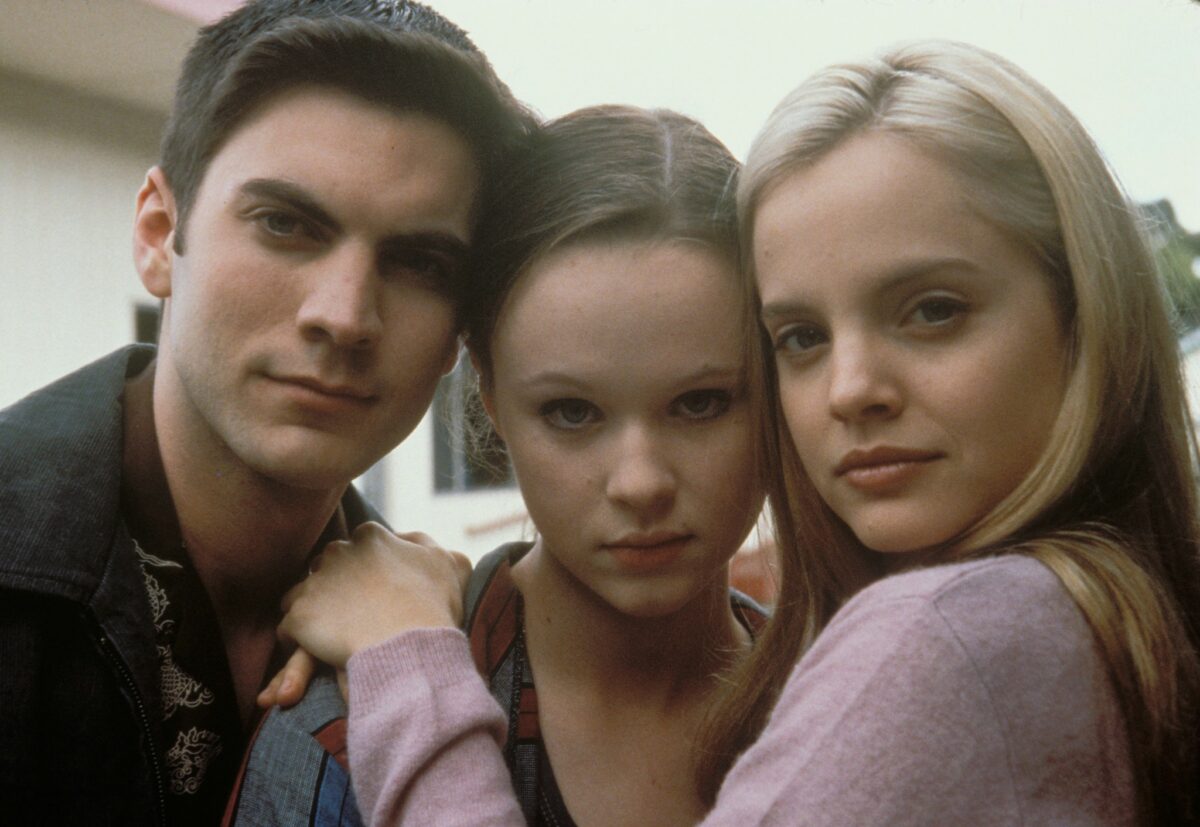
    • Thora Birch and Wes Bentley, portraying Jane and Ricky, respectively, provide a teenage perspective on the struggles of identity, rebellion, and the search for authenticity in a world obsessed with appearances.

III. Sam Mendes’ Directorial Brilliance: Visual Aesthetics and Storytelling

  1. Visual Aesthetics: Beauty in Dysfunction:
    • Sam Mendes, in collaboration with cinematographer Conrad L. Hall, crafts a visually stunning film that juxtaposes the beauty within dysfunction. The meticulous framing, use of color, and evocative imagery contribute to the film’s visual poetry.
  2. Narrative Structure: An Unraveling Tapestry:
    • The film’s narrative structure, guided by the voiceover of Lester Burnham, weaves an intricate tapestry of interconnected lives. The non-linear storytelling adds depth, allowing the audience to peel back layers and uncover the characters’ hidden desires and struggles.

IV. Themes and Societal Critique: Suburban Despair and the American Dream

  1. The American Dream: Shattered Illusions:
    • “American Beauty” serves as a scathing critique of the American Dream. The Burnham family, along with their neighbors, grapple with shattered illusions and the realization that material success does not equate to true happiness.
  2. Suburban Conformity: The Struggle for Identity:
    • The film explores the suffocating nature of suburban conformity and the characters’ struggle for individual identity. Each member of the Burnham family grapples with societal expectations, leading to a collective unraveling.

V. Music and Soundtrack: Complementing the Narrative

  1. Thomas Newman’s Score: A Haunting Musical Landscape:
    • Thomas Newman’s evocative score adds depth and emotion to the film’s narrative. The haunting musical landscape enhances the themes of beauty, despair, and the fragility of human existence.
  2. Use of Popular Music: Enhancing Emotional Resonance:
    • The strategic use of popular music, including the iconic “Any Way You Want It” by Journey, enhances emotional resonance and further immerses the audience in the characters’ experiences.

VI. Critical Acclaim and Awards: Recognition of Excellence

  1. Oscar Triumph: An Academy Awards Sweep:
    • “American Beauty” received widespread critical acclaim and achieved a remarkable feat at the Academy Awards. Winning five Oscars, including Best Picture, Best Director, and Best Actor for Kevin Spacey, the film solidified its status as a cinematic masterpiece.
  2. Cultural Impact: Pervasive Influence on Filmmaking:
    • The cultural impact of “American Beauty” extends beyond its critical acclaim. Its pervasive influence on filmmaking, storytelling, and societal critique has left an indelible mark on cinema, inspiring subsequent generations of filmmakers.

VII. Legacy and Relevance: Twenty Years On

  1. Twenty Years On: A Film That Resonates:
    • Two decades after its release, “American Beauty” remains relevant. Its exploration of suburban disillusionment, societal expectations, and the pursuit of authentic happiness continues to resonate with audiences grappling with similar themes.
  2. Cinematic Reverberations: Influence on Subsequent Films:
    • The film’s cinematic reverberations are evident in subsequent works that draw inspiration from its thematic depth, visual aesthetics, and societal critique. “American Beauty” continues to be a touchstone for filmmakers exploring the intricacies of human existence.

VIII. Controversies and Reassessment: A Closer Look

  1. Controversies Surrounding Kevin Spacey: A Reassessment:
    • In recent years, controversies surrounding Kevin Spacey have prompted a reassessment of “American Beauty.” The film’s enduring legacy is inevitably intertwined with discussions about the personal conduct of one of its central figures.
  2. Critique and Interpretations: Diverse Perspectives:
    • Diverse interpretations of “American Beauty” have emerged over the years, with some critics praising its timeless relevance, while others offer nuanced critiques of its portrayal of certain themes and characters.

IX. Conclusion: American Beauty’s Enduring Allure

In conclusion, “American Beauty” stands as a cinematic triumph that continues to captivate audiences with its exploration of suburban despair, societal expectations, and the fragility of the American Dream. From the outstanding performances to the visual poetry crafted by Sam Mendes, the film remains a benchmark in cinematic history. As we reflect on its enduring allure two decades later, “American Beauty” invites audiences to confront the complexities of the human condition and contemplate the pursuit of beauty in a world often marred by disillusionment.

Categories
Entertainment & Arts

Unraveling the Enigma: The Mysterious Circumstances of Grace Kelly’s Untimely Death

Introduction:

Grace Kelly, the iconic Hollywood actress turned Princess of Monaco, left an indelible mark on the world with her elegance, beauty, and talent. However, her untimely death in 1982, shrouded in mystery and speculation, has become a topic of intrigue and fascination for generations. This comprehensive article delves into the circumstances surrounding Grace Kelly’s death, exploring the events leading up to that fateful day, the aftermath, and the enduring mysteries that continue to surround this enigmatic chapter in the life of a beloved icon.

I. Grace Kelly: From Hollywood Royalty to Actual Royalty

  1. The Rise to Stardom: A Hollywood Sensation:
    • Grace Kelly’s journey to fame began in Hollywood, where she quickly became a sensation known for her acting prowess and striking beauty. Her roles in films like “To Catch a Thief,” “Dial M for Murder,” and “High Noon” solidified her status as one of Hollywood’s leading ladies.
  2. Love and Marriage: A Fairytale Romance:
    • Grace Kelly’s fairytale took an unexpected turn when she met Prince Rainier III of Monaco at the Cannes Film Festival in 1955. Their whirlwind romance captured the world’s attention, culminating in a fairy-tale wedding that saw Grace transition from Hollywood royalty to actual royalty.

II. Life as Princess Grace of Monaco: The Glamorous Yet Demanding Role

  1. The Transition to Royalty: Challenges and Adjustments:
    • Grace’s transition from Hollywood actress to Princess of Monaco presented its own set of challenges. While the public was enamored by the real-life princess, the demands of royal life and the responsibilities that came with it added a layer of complexity to Grace’s existence.
  2. Motherhood and Public Duties: Balancing Act of a Princess:
    • Juggling the roles of motherhood and fulfilling public duties, Princess Grace faced the complexities of a life lived in the public eye. Her commitment to philanthropy and her royal duties showcased her dedication to her new role.

III. The Fateful Day: Events Leading to the Car Crash

  1. The 1982 Car Crash: A Tragic Turn of Events:
    • On September 13, 1982, tragedy struck when Princess Grace’s car veered off a mountain road in Monaco. The car tumbled down the mountainside, and the princess suffered severe injuries.
  2. Investigation and Speculation: Unraveling the Details:
    • The aftermath of the car crash prompted an investigation into the circumstances surrounding the incident. Speculation and rumors began to circulate, adding a layer of mystery to the events leading up to the crash.

IV. Medical Treatment and Hospitalization: The Princess’s Struggle

  1. Emergency Rescue and Hospitalization: Critical Condition:
    • Princess Grace was promptly rescued from the wreckage and transported to the hospital. Her critical condition led to immediate medical attention, and the world awaited updates on the beloved princess’s health.
  2. The Extent of Injuries: Shrouded in Secrecy:
    • The details surrounding the extent of Princess Grace’s injuries remained shrouded in secrecy. Conflicting reports and a lack of transparency regarding her medical condition fueled speculation and rumors.

V. The Mystery Deepens: Questions and Conspiracies

  1. Official Statements and Public Reaction: Maintaining Composure:
    • Official statements from the royal palace and the medical team conveyed a sense of composure, but questions lingered. The public’s emotional response to the news reflected the deep affection and concern for the princess.
  2. Conspiracy Theories: Unraveling the Narratives:
    • Over the years, various conspiracy theories have emerged, questioning the official narrative surrounding Princess Grace’s death. From allegations of foul play to suggestions of hidden motives, these theories have added layers of complexity to the mystery.

VI. Legacy and Impact: Remembering Princess Grace

  1. Funeral and Mourning: A Nation in Grief:
    • Princess Grace’s death led to a profound outpouring of grief. The funeral, attended by dignitaries, celebrities, and mourners from around the world, reflected the deep impact she had on both Monaco and the international community.
  2. Monaco’s Transformation: Navigating Change Without Grace:
    • Princess Grace’s death marked a turning point for Monaco. The principality faced challenges in navigating change and adjusting to a new era without the beloved princess who had played a significant role in shaping its identity.

VII. Ongoing Investigations and Unanswered Questions

  1. Legacy of Mystery: Unanswered Questions and Ongoing Investigations:
    • Despite the passage of time, the mystery surrounding Princess Grace’s death endures. Ongoing investigations, requests for the release of medical records, and persistent speculation contribute to the enigma that continues to surround this tragic event.
  2. Media Coverage and Documentary Perspectives: Revisiting the Mystery:
    • Media coverage and documentaries exploring the circumstances of Princess Grace’s death have reignited interest in the mystery. Filmmakers and investigative journalists seek to unravel the complexities surrounding that fateful day.

VIII. The Continuing Impact on Popular Culture and Beyond

  1. Cultural References: Perpetuating the Mystique:
    • The mystery of Princess Grace’s death has become embedded in popular culture. References in literature, film, and other forms of media continue to perpetuate the mystique surrounding this tragic event.
  2. The Princess Grace Foundation: A Lasting Legacy:
    • The Princess Grace Foundation, established by Prince Rainier III to honor his late wife, stands as a lasting legacy. The foundation supports emerging talent in theater, dance, and film, embodying Princess Grace’s commitment to the arts.

IX. Conclusion: The Unending Mystery of Princess Grace’s Death

In conclusion, the mysterious circumstances surrounding Princess Grace’s untimely death remain an enduring enigma. From her Hollywood glory days to her transformative role as Princess of Monaco, Grace Kelly’s life was marked by glamour, tragedy, and public fascination. The unanswered questions, ongoing investigations, and persistent conspiracy theories contribute to the mystique that continues to surround the legacy of Princess Grace. As time passes, the mystery persists, leaving an indelible mark on the history of both Hollywood and Monaco, and ensuring that the enigma of Princess Grace’s death remains an ever-present chapter in the annals of royalty and celebrity.

Categories
Entertainment & Arts

Rear Window (1954): A Cinematic Masterpiece that Transcends Time

Introduction:

Alfred Hitchcock’s “Rear Window,” released in 1954, stands as a timeless masterpiece that continues to captivate audiences with its suspenseful storytelling, innovative filmmaking techniques, and stellar performances. This in-depth movie review aims to delve into the intricacies of this iconic film, exploring its plot, characters, cinematography, and the enduring impact it has had on the world of cinema.

I. Plot Overview: A Glimpse into the Lives Beyond the Rear Window

  1. Setting the Stage: A confined Viewpoint:
    • “Rear Window” unfolds within the confines of an apartment in Greenwich Village, where the protagonist, L.B. “Jeff” Jefferies, played by James Stewart, is confined to a wheelchair due to a broken leg. Jeff passes the time by observing his neighbors through the rear window of his apartment, ultimately becoming entangled in a gripping mystery.
  2. The Puzzling Neighbor: Lars Thorwald’s Enigma:
    • The central plot revolves around Jeff’s suspicion that his neighbor, Lars Thorwald, portrayed by Raymond Burr, may have committed murder. As Jeff pieces together the puzzle from his vantage point, the audience is drawn into a suspenseful narrative that keeps them on the edge of their seats.

II. Character Dynamics: A Stellar Cast Brings Hitchcock’s Vision to Life

  1. James Stewart’s Compelling Performance: The Everyman in Distress:
    • James Stewart’s portrayal of Jeff Jefferies is nothing short of brilliant. As an injured photographer with a penchant for observation, Stewart brings depth to the character, making the audience empathize with his predicament and root for his investigative endeavors.
  2. Grace Kelly’s Elegance: Lisa Fremont’s Transformation:
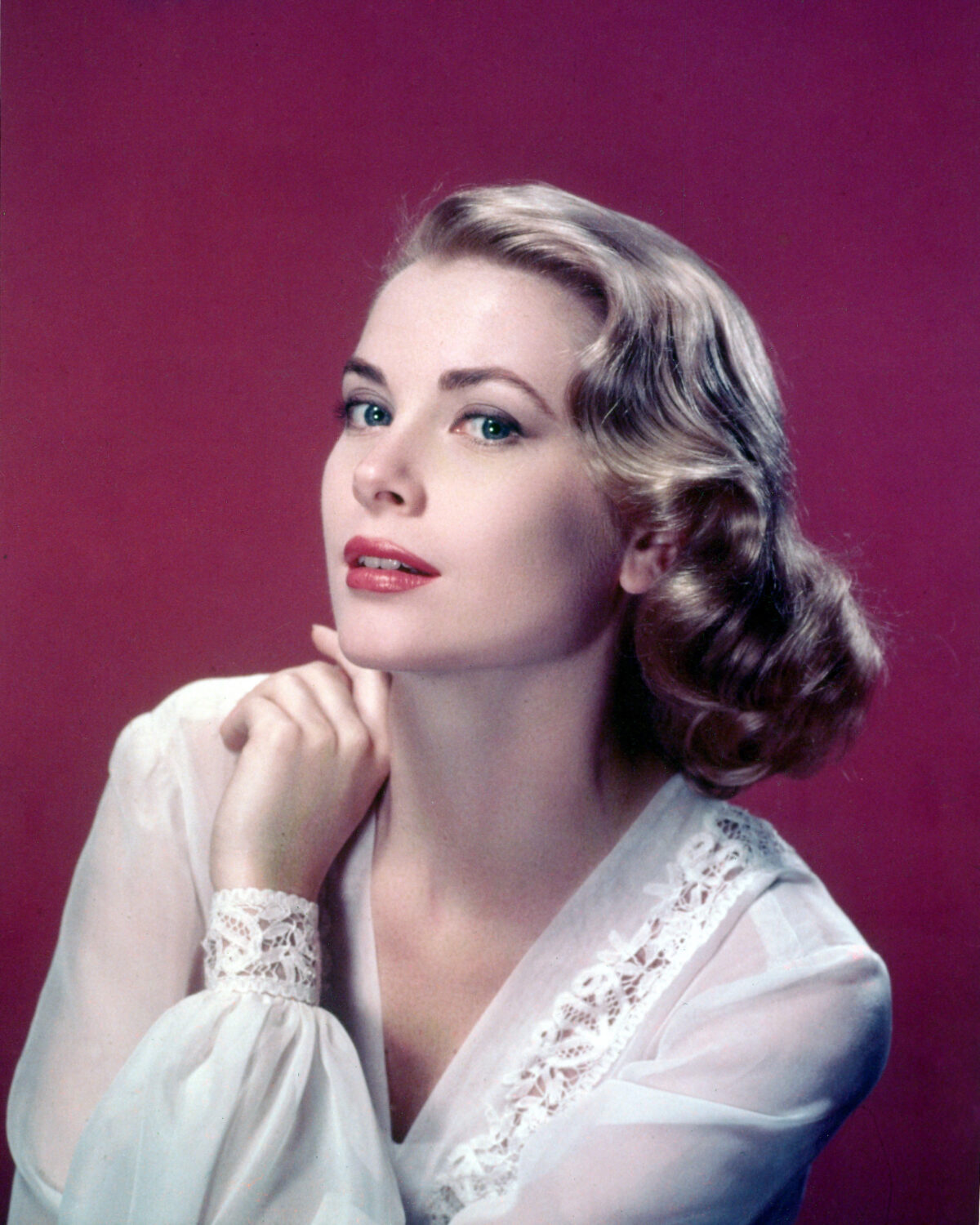
    • Grace Kelly, who plays Lisa Fremont, Jeff’s sophisticated girlfriend, delivers a performance that transcends the stereotype of the typical Hitchcockian leading lady. As Lisa transforms from a glamorous socialite into an active participant in Jeff’s investigation, Kelly’s portrayal adds layers to the character.
  3. Thelma Ritter’s Stellar Support: Stella’s Wisdom:
    • Thelma Ritter, in the role of Stella, Jeff’s nurse and confidante, provides invaluable support to the narrative. Her pragmatic and no-nonsense demeanor adds a touch of humor and wisdom to the story, elevating the dynamics among the characters.

III. Innovative Cinematography: A Masterclass in Visual Storytelling

  1. The Art of Voyeurism: Hitchcock’s Cinematic Device:
    • Hitchcock employs the voyeuristic perspective of the rear window as a powerful cinematic device. By making the audience accomplices in Jeff’s voyeurism, Hitchcock blurs the lines between spectator and character, creating an immersive experience that heightens the suspense.
  2. Limited Set, Unlimited Impact: The Apartment Complex as a Microcosm:
    • The film’s predominantly single-set location, the courtyard viewed from Jeff’s apartment, is a masterstroke. Hitchcock transforms this limited space into a microcosm of society, where each neighbor’s life becomes a subplot, contributing to the overall atmosphere of tension and intrigue.

IV. Alfred Hitchcock’s Directorial Brilliance: Crafting Suspense

  1. The Hitchcockian Touch: Meticulous Pacing and Tension-Building:
    • Hitchcock’s directorial brilliance shines through in “Rear Window.” The meticulous pacing, strategic use of silence, and expertly crafted suspense build a palpable tension that keeps the audience engrossed from start to finish.
  2. Symbolism and Subtext: Layers of Meaning:
    • Beyond the suspenseful plot, Hitchcock incorporates layers of symbolism and subtext. The rear window serves as a metaphor for the cinema screen, emphasizing the act of watching and being watched, a theme that resonates with the voyeuristic nature of filmmaking.

V. Legacy and Impact: Influencing Generations of Filmmakers

  1. Influence on Filmmaking: A Cinematic Touchstone:
    • “Rear Window” has left an indelible mark on the landscape of filmmaking. Its innovative use of a limited setting, meticulous storytelling, and the exploration of voyeurism have inspired generations of filmmakers, cementing its status as a cinematic touchstone.
  2. Cultural Impact: Beyond the Silver Screen:
    • The film’s impact extends beyond the realm of cinema, influencing popular culture and sparking discussions on ethics, privacy, and the consequences of voyeurism. Its themes remain relevant, ensuring its continued resonance with contemporary audiences.

VI. Critical Reception and Awards: Recognition of Excellence

  1. Acclaim and Awards: A Cinematic Triumph:
    • “Rear Window” received critical acclaim upon its release and garnered several award nominations. Hitchcock’s masterful direction, the stellar performances of the cast, and the innovative cinematography were widely recognized, solidifying the film’s place in cinematic history.
  2. Oscar Nominations and Wins: Acknowledgment of Excellence:
    • The film received four Academy Award nominations, including Best Director for Hitchcock. While it did not win in any category, the nominations underscored the film’s significance and excellence in various aspects of filmmaking.

VII. Contemporary Relevance: A Film That Stands the Test of Time

  1. Relevance in the Digital Age: Voyeurism and Technology:
    • In the age of digital surveillance and constant connectivity, the themes of voyeurism explored in “Rear Window” resonate with contemporary audiences. The film’s exploration of the consequences of observation and the blurring of private and public spheres remains highly relevant.
  2. Remakes and Homages: Perpetuating the Legacy:
    • The enduring legacy of “Rear Window” is evident in the numerous remakes, adaptations, and homages that pay tribute to Hitchcock’s original work. Its influence can be seen in various forms of media, reaffirming its status as a cultural touchstone.

VIII. Conclusion: Rear Window’s Ever-Open Perspective

In conclusion, “Rear Window” (1954) is a cinematic gem that transcends time, weaving a narrative of suspense, intrigue, and social commentary. Hitchcock’s directorial genius, coupled with stellar performances from the cast, creates a film that invites viewers into a world of voyeurism and moral ambiguity. As the rear window remains ever-open, inviting audiences to peer into the lives of its characters, the film stands as a testament to the enduring power of storytelling and the art of filmmaking. “Rear Window” remains not just a classic of its era but a timeless exploration of the human condition through the lens of a rear window.

Categories
Entertainment & Arts

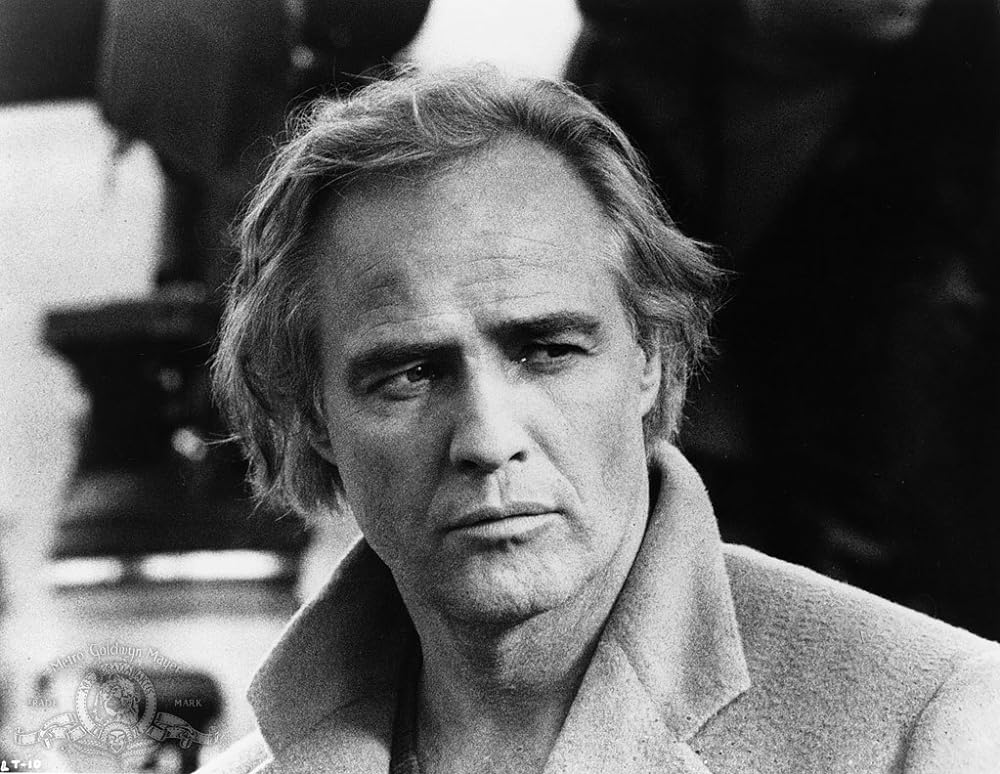
Marlon Brando: The Acting Maverick from the Heart of Nebraska

Marlon Brando, a legendary figure in the annals of Hollywood, hailed from the quiet city of Omaha, Nebraska. Born on April 3, 1924, Brando would go on to revolutionize acting, leaving an indelible mark on the film industry. This comprehensive exploration delves into the life, career, and enduring legacy of Marlon Brando, tracing his journey from the Midwest to the dazzling lights of Hollywood and his transformative impact on the art of acting.

1. Early Life in Omaha: Seeds of Talent in the Heartland

Marlon Brando’s roots in Omaha, Nebraska, laid the foundation for his illustrious career. Born to Marlon Brando Sr. and Dorothy Pennebaker, young Marlon’s early years were marked by a blend of small-town charm and familial influence.

a. Family Dynamics:

  • Brando’s father was a pesticide and chemical feed manufacturer, while his mother was an amateur actress.
  • The familial connection to the arts provided an early introduction to the world that would later become his life’s passion.

b. Early Interest in Theater:

  • Brando’s interest in acting was sparked during his high school years at Shattuck Military Academy in Minnesota.
  • Despite a rebellious streak, he found solace in the theater, foreshadowing his future as an acting icon.

2. Acting Prowess at the Actors Studio: Method Acting Pioneer

Marlon Brando’s journey to becoming an acting powerhouse led him to the famed Actors Studio in New York City. There, under the tutelage of Lee Strasberg, he became a pioneer of Method Acting—a technique that emphasized emotional authenticity and psychological realism.

a. Method Acting Philosophy:

  • Brando’s approach to acting rejected theatrical conventions, emphasizing internal emotions over external performances.
  • His immersion into characters’ psyches would become a hallmark of his groundbreaking performances.

b. Broadway Breakthrough:

  • Brando’s Broadway debut in “A Streetcar Named Desire” (1947) marked a turning point in American theater.
  • His portrayal of Stanley Kowalski showcased the raw intensity and emotional depth that would define his acting style.

3. Hollywood Debut with “The Men” (1950): The Brando Revolution Begins

Marlon Brando’s foray into Hollywood with “The Men” marked the beginning of a revolution in film acting. Released in 1950, the film showcased Brando’s commitment to authenticity and willingness to tackle challenging roles.

a. Authentic Portrayal of Disabilities:

  • “The Men” addressed the experiences of paraplegic war veterans, and Brando’s nuanced portrayal broke new ground in the depiction of disabilities on screen.
  • His dedication to understanding and embodying the character’s struggles foreshadowed his commitment to realism.

b. Oscar Nomination and Hollywood Recognition:

  • Brando’s performance earned him his first Academy Award nomination, signaling his arrival as a force to be reckoned with in Hollywood.
  • The film laid the groundwork for his future collaborations and influence on the cinematic landscape.

4. “A Streetcar Named Desire” (1951): A Cinematic Tour de Force

Marlon Brando’s reprisal of his Broadway role as Stanley Kowalski in the film adaptation of “A Streetcar Named Desire” (1951) solidified his status as a cinematic tour de force.

a. Iconic Performance:

  • Brando’s portrayal of Stanley, alongside Vivien Leigh’s Blanche DuBois, became the stuff of cinematic legend.
  • His magnetic screen presence and intensity set a new standard for leading men in Hollywood.

b. Second Oscar Nomination:

  • Brando received his second consecutive Academy Award nomination for Best Actor, cementing his reputation as one of the industry’s brightest talents.

5. “The Wild One” (1953): Rebel with a Cause

“The Wild One” (1953) showcased Marlon Brando as the quintessential rebel, setting the stage for the iconic roles that would define his career.

a. Cultural Impact:

  • Brando’s portrayal of Johnny Strabler, the leader of a motorcycle gang, became emblematic of the rebellious spirit of the 1950s.
  • The film left an indelible mark on popular culture and established Brando as a symbol of youthful defiance.

b. Influence on Fashion:

  • The film’s iconic imagery, including Brando’s leather jacket and motorcycle, had a profound impact on fashion and youth culture.
  • Brando’s persona transcended the screen, influencing a generation of young rebels.

6. “On the Waterfront” (1954): Oscar Glory and Artistic Triumph

Marlon Brando’s performance in “On the Waterfront” (1954) not only earned him an Academy Award but also showcased his ability to infuse social commentary into his work.

a. Eva Marie Saint Co-Starred:

  • The film, directed by Elia Kazan, featured Brando alongside Eva Marie Saint and Karl Malden.
  • The collaboration resulted in a powerful exploration of corruption, loyalty, and redemption.

b. Iconic “I Coulda Been a Contender” Scene:

  • Brando’s delivery of the famous “I coulda been a contender” monologue stands as one of the most memorable moments in cinematic history.
  • The scene encapsulates the emotional depth and vulnerability that defined Brando’s approach to acting.

7. “The Godfather” (1972): A Resurgence and Iconic Role

Marlon Brando’s career experienced a resurgence with his portrayal of Vito Corleone in “The Godfather” (1972), a role that would become one of the most iconic in film history.

a. Method Acting Brilliance:

  • Brando’s interpretation of the mafia patriarch showcased his continued commitment to Method Acting.
  • His use of prosthetics, including cotton balls in his cheeks, transformed his appearance and added layers to the character.

b. Oscar Win and Cultural Impact:

  • Brando’s performance earned him the Academy Award for Best Actor.
  • “The Godfather” solidified its place in cinematic lore, and Brando’s portrayal became synonymous with the complexity and humanity of the mob boss.

8. Later Career and Legacy: A Lasting Impact

Marlon Brando’s later career was marked by a mix of acclaimed performances and public controversies. His legacy, however, endures through his transformative impact on acting and his influence on generations of actors.

a. “Apocalypse Now” (1979):

  • Brando’s portrayal of Colonel Kurtz in “Apocalypse Now” showcased his ability to mesmerize audiences even with limited screen time.
  • His enigmatic performance added a layer of mystique to Francis Ford Coppola’s Vietnam War epic.

b. Public Persona and Controversies:

  • Brando’s public persona became as infamous as his acting prowess, with controversies and unconventional behavior garnering headlines.
  • Despite the tumultuous aspects of his personal life, Brando’s contributions to film remained unparalleled.

c. Legacy and Influence:

  • Marlon Brando’s influence on acting, particularly the Method Acting movement, reverberates through the generations.
  • His willingness to challenge norms and delve into the psychological depths of his characters inspired a new era of actors to approach their craft with authenticity and introspection.

Conclusion: Nebraska’s Gift to the Cinematic World

Marlon Brando, the acting maverick from Omaha, Nebraska, gifted the world with performances that transcended the screen. From the intensity of Stanley Kowalski to the quiet power of Vito Corleone, Brando’s ability to inhabit characters with unparalleled authenticity reshaped the landscape of acting. His impact extends far beyond the accolades and controversies, leaving an enduring legacy that continues to shape the art of storytelling in cinema.

As the lights dim on the cinematic stage, Marlon Brando’s contributions to the world of film stand as a testament to the transformative power of a young man from Nebraska who dared to redefine what it meant to be an actor. In the heart of America, a legend was born, and Marlon Brando remains an everlasting gift to the cinematic world from the vast and quiet landscapes of Omaha.