Introduction:
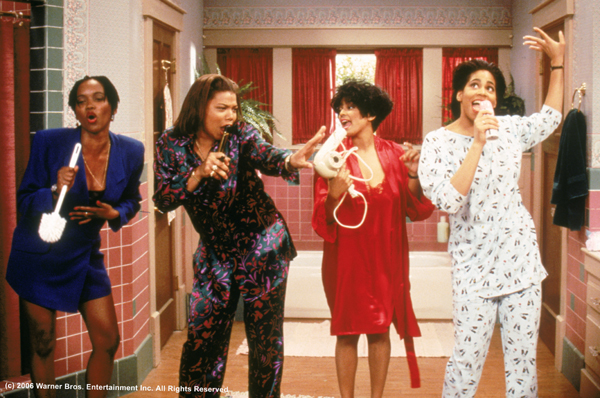
“Living Single,” a trailblazing American sitcom that graced television screens from 1993 to 1998, stands as a cultural touchstone that paved the way for diverse and authentic storytelling. Created by Yvette Lee Bowser, the series depicted the lives, friendships, and professional endeavors of six dynamic African-American characters living in a Brooklyn brownstone. This comprehensive exploration delves into the multifaceted facets of “Living Single,” from its conception and impact on the television landscape to its cultural significance and enduring legacy.
Table of Contents:
- The Birth of “Living Single”:
- a. Yvette Lee Bowser’s Vision for the Series
- b. Development and Pioneering Diversity in Television
- c. Casting Choices and the Chemistry Between Actors
- Premiere and Early Seasons:
- a. Debuting on Fox in 1993
- b. Initial Reception and Viewer Response
- c. The Dynamic Setting of Brooklyn and Brownstone Living
- Plot Synopsis and Character Dynamics:
- a. The Central Premise of the Show
- b. The Six Main Characters – Khadijah, Synclaire, Regine, Max, Kyle, and Overton
- c. Exploring Themes of Friendship, Love, and Professional Ambitions
- A Diverse and Authentic Portrayal:
- a. Breaking Stereotypes and Embracing Individuality
- b. Addressing Social Issues and Cultural Realities
- c. The Representation of Strong, Independent Women
- Comic Timing and Witty Humor:
- a. The Signature Style of Comedy in “Living Single”
- b. Memorable Catchphrases and Quotable Moments
- c. The Impact of Humor in Tackling Real-Life Issues
- Behind-the-Scenes Dynamics:
- a. Relationships Among the Cast and Crew
- b. Challenges and Triumphs During Production
- c. The Show’s Impact on Careers of the Cast
- Critical Acclaim and Audience Reception:
- a. Viewer Demographics and Ratings
- b. Awards and Nominations Received
- c. Cultural Impact on African-American Representation
- Exploring Romantic Relationships:
- a. Love Interests and Chemistry Among Characters
- b. The Evolution of Romantic Storylines
- c. Balancing Romance with Career Aspirations
- Cultural References and Guest Appearances:
- a. “Living Single” as a Cultural Time Capsule
- b. Notable Guest Appearances and Cameos
- c. Music, Fashion, and Pop Culture of the ’90s Reflected in the Show
- Addressing Social Issues:
- a. Tackling Social Issues Through Storylines
- b. Discussing Racism, Gender Bias, and Economic Struggles
- c. The Intersectionality of “Living Single”
- Fashion and Style Influence:
- a. Regine Hunter’s Fashion Icon Status
- b. Impact on ’90s Fashion Trends
- c. The Enduring Style Legacy of “Living Single”
- The Evolution of the Series:
- a. Seasons of Change and Character Development
- b. Major Plot Developments and Milestones
- c. The Final Season and the End of an Era
- Legacy and Syndication:
- a. Life Beyond the Original Airing
- b. Cultural References in Other Media
- c. The Show’s Influence on Subsequent Sitcoms
- Reunion and Anniversary Celebrations:
- a. Cast Reunions and Anniversary Specials
- b. The Impact of Social Media in Reconnecting Fans
- c. The Enduring Love for “Living Single”
- Conclusion: The Lasting Impact of “Living Single”:
- a. Reflecting on the Enduring Legacy
- b. The Series as a Trailblazer for Diversity in Television
- c. The Indelible Mark of “Living Single” on Popular Culture
In this comprehensive exploration, we celebrate the vibrant characters, witty humor, and cultural impact of “Living Single,” a groundbreaking series that not only entertained but also challenged the norms of television storytelling. From its bold representation of African-American lives to its timeless themes of friendship and ambition, “Living Single” remains a testament to the power of authentic storytelling that resonates across generations.