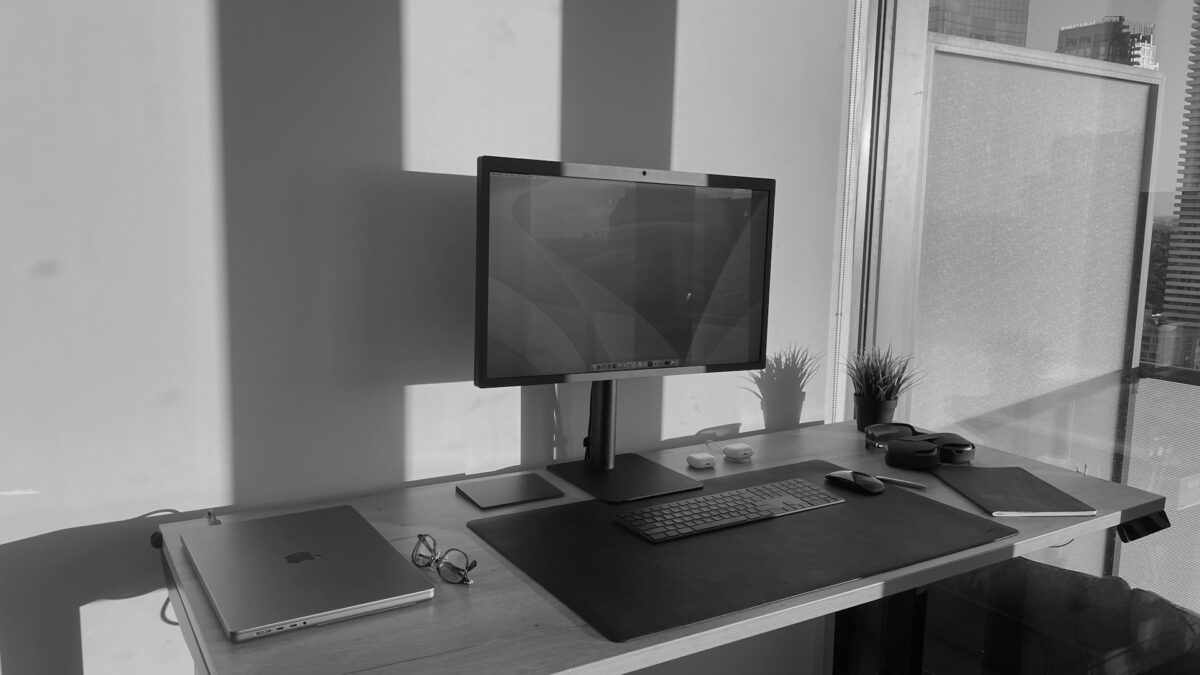
The Future of Fanless Computing and Silent Workstations
The rise of fanless computing is a significant step toward the development of computer systems that are less noisy, more efficient, and more dependable. There is a gradual reduction in the need for conventional cooling fans as workloads get more intelligent and hardware becomes more energy-efficient simultaneously. Silent workstations are no longer restricted to low-power devices; they are increasingly capable of undertaking professional duties such as the production of content, the development of software, and the analysis of data. The growth of this phenomenon is a reflection of a greater need for workplaces that are free of distractions, particularly in home offices and innovative spaces. It is the combination of performance, quiet, and long-term stability that will determine the future of fanless computer equipment.
New Developments in the Design of Low-Power Processors
For the purpose of providing powerful computation with little heat production, modern processors are being built with energy efficiency as the main aim while they are being developed. Integrated graphics and central processing units (CPUs) are now able to give powerful performance at lower voltages thanks to architectural advances. The severity of the job is taken into consideration when these processors intelligently scale both frequency and power usage. Because of this, the amount of heat that is produced is kept at a level that allows it to be controlled without the need for active cooling. The practicality of fanless systems for use in both professional and daily settings is largely attributable to the efficiency of these systems.
Materials and Technologies Responsible for Passive Cooling
Passive cooling methods, which disperse heat by conduction and radiation rather than airflow, are the primary means by which fanless systems are used. An essential part of this strategy is the use of cutting-edge heat sinks, vapor chambers, and chassis designs that are optimized for thermal performance. Heat transmission away from crucial components is improved by the use of high-conductivity materials such as copper composites and aluminum alloys. Certain enclosures are designed to perform the role of massive heat spreaders, which essentially transforms the whole system into a surface that functions as a cooling agent. These advancements make it possible for silent workstations to keep their operating temperatures at a safe level without the need of moving parts.
Workstations that are silent provide a number of advantages in professional settings.
The use of silent computing has major benefits in settings where attention and auditory clarity are of considerable importance. A reduction in background noise that minimizes distractions is beneficial to creative professionals, researchers, and workers who are located in distant locations. Other benefits of fanless systems include a reduction in vibrations, which may help delicate equipment perform more accurately and increase the overall stability of the system. Over time, the lack of fans minimizes the amount of mechanical wear, which ultimately results in a longer lifetime for the hardware. Due of these advantages, quiet workstations are especially desirable for those who use them for extended periods of time.
Aspects to Consider Regarding Reliability and Maintenance
Systems that do not have fans are less likely to experience dust collection and mechanical failure during operation. As a result of this decrease in moving parts, overall dependability is improved, and the amount of maintenance that is required is reduced. The use of fanless designs is particularly advantageous in settings where it is difficult to do routine cleaning or when maintaining a constant level of uptime is crucial. Because they depend on passive cooling, these systems are able to sustain their performance over an extended period of time. Because of its stability, fanless computing is becoming more appealing for use in both home and commercial settings.
Obstacles and Restrictions Impertaining to Performance
In spite of the progress that has been made, fanless computing still has several limits when it comes to managing high-performance applications that are maintained. Heavy rendering or lengthy computer processing are examples of tasks that may create more heat than passive systems are able to disperse. This issue is addressed by manufacturers via the optimization of heat thresholds and the encouragement of burst-style performance rather than continuous maximum output. These limitations are rapidly becoming less of an issue as advancements are made in thermal engineering and materials science. A major problem in design continues to be striking a balance between performance and quiet.
The incorporation of contemporary workflows
It is possible to combine fanless workstations nicely with contemporary workflows that place an emphasis on efficiency and cloud-based processing. Offloading a large number of labor-intensive activities to distant systems may help reduce the amount of heat generated locally. Rather of focusing on continual heavy processing, local machines prioritize responsiveness, reliability, and human engagement throughout their operations. This adjustment allows for a better alignment with the advantages of fanless systems. Silent computing is becoming an increasingly viable solution as processes continue to undergo evolution.
A Prospective Long-Term Analysis of Fanless Computing
Technologies that improve the efficiency of processors, thermal materials, and system architecture will be essential to the development of fanless computing in the future. It is anticipated that quiet workstations will become more prevalent across a variety of sectors as technology continues to produce less heat while simultaneously giving greater capabilities. Reducing noise and increasing dependability are two of the ways in which these technologies contribute to better working conditions. Over the course of time, fanless computing is likely to rewrite the standards of comfort and performance that are applicable to both professional and ordinary computing endeavors.